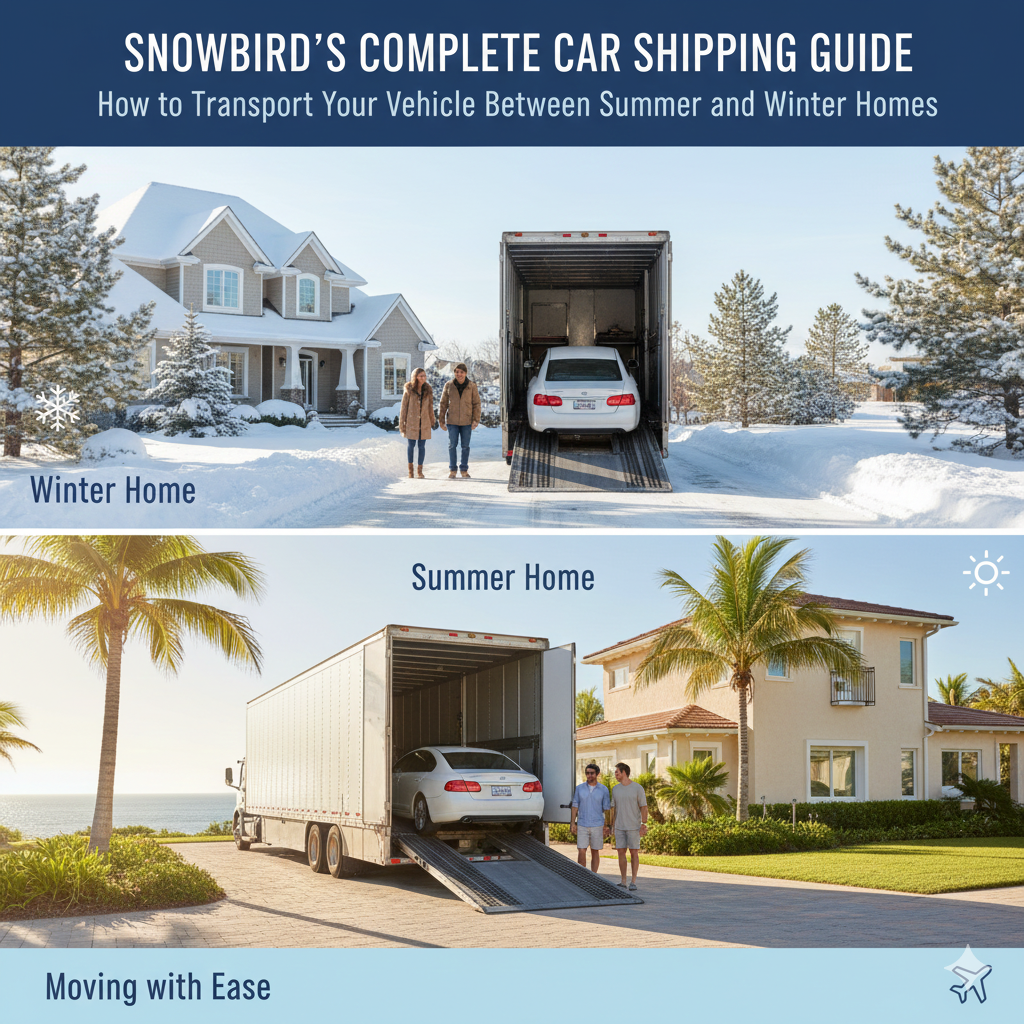
Every fall, as temperatures drop across the northern United States and Canada, millions of snowbirds begin their annual migration south. And every spring, they reverse the journey, heading back to their summer homes. This seasonal lifestyle offers tremendous benefits—escaping harsh winters, enjoying year-round pleasant weather, and maximizing quality of life but it also presents a persistent logistical challenge: what to do about your car?
For decades, snowbirds tackled this challenge through the traditional approach: drive south in the fall, drive north in the spring. But increasingly, seasonal residents are discovering a better solution that saves time, reduces stress, and often costs less than you might expect: professional vehicle shipping between your summer and winter homes.
The Changing Snowbird Landscape
The snowbird community has evolved dramatically over the past two decades. What was once primarily retirees in their 70s and 80s has expanded to include active adults in their 50s and 60s who can work remotely during winter months, second-generation snowbirds who grew up watching their parents escape to Florida, and even younger professionals who’ve structured their careers around seasonal flexibility.
This evolution has changed snowbird transportation patterns. Traditional retirees often enjoyed the multi-day road trip, treating it as part of the seasonal adventure. But younger, still-working snowbirds need to maximize their time. Taking a week for the drive south means a week away from work, projects, or business commitments. The same applies to the spring return trip. That’s two weeks annually consumed by driving—time that could be spent enjoying your winter destination or maintaining your career.
The seasonal migration routes haven’t changed much—the primary flows still run from the Northeast, Midwest, and Mountain West down to Florida, Arizona, Texas, and Southern California. But how snowbirds handle the journey has diversified significantly.
Why More Snowbirds Are Choosing Vehicle Shipping
The traditional snowbird drive comes with hidden costs and complications that many seasonal residents don’t fully consider until they’ve made the journey multiple times.
Start with the time commitment. A drive from Michigan to Florida takes 25-30 hours of actual driving time, spread across 3-4 days with overnight stops. Minnesota to Arizona runs 30-35 hours over 4-5 days. That’s a full week of your life spent covering ground you’ve driven dozens of times before. The monotony of I-75, I-10, or I-40 loses its appeal after the first few years of seasonal migration.
The physical toll matters more as we age. Younger snowbirds in their 50s might handle marathon drives with relative ease, but by your 70s or 80s, spending multiple days behind the wheel becomes genuinely exhausting and potentially unsafe. Vision challenges, slower reaction times, medication schedules, and simple fatigue make these long drives riskier with each passing year.
Weather unpredictability affects both fall and spring migrations. November can bring ice storms across the Midwest and South. March and April deliver everything from late-season blizzards in the North to severe thunderstorms in the South. You can’t control when weather strikes, but you can avoid driving through it by having your vehicle professionally transported.
Vehicle wear and tear adds up. A round trip from Chicago to Fort Myers puts 4,600 miles on your odometer annually. Over ten years of snowbird life, that’s 46,000 extra miles—enough to significantly impact resale value, require major service intervals, and increase breakdown risk. The 2,600-mile round trip from Denver to Phoenix means 26,000 additional miles over a decade.
The cost comparison often surprises snowbirds. Two people driving from Minneapolis to Naples need gas ($350-450), hotels for 3 nights ($300-450), meals on the road ($150-200), and the return flight home if one person flies back separately ($300-600). That’s $1,100-1,700 for the one-way journey. Professional snowbird car shipping typically costs $900-1,400 for the same route—often less than driving when you account for all expenses and opportunity costs.
Understanding Seasonal Pricing and Booking Strategies
The auto transport industry experiences dramatic seasonal demand fluctuations that directly impact snowbird shipping costs and availability. Understanding these patterns helps you save money and ensure reliable service.
Peak snowbird season runs from October through December for southbound shipments and March through May for northbound returns. During these windows, popular routes (Midwest to Florida, Northeast to Florida, Rocky Mountain states to Arizona) see intense demand. Carriers can charge premium rates and still book solid for weeks in advance.
The October-November period sees the highest southbound demand as snowbirds rush to escape before winter weather arrives. Prices on routes like Chicago to Florida, Detroit to Florida, or Minneapolis to Arizona can increase 30-50% compared to off-peak rates. Booking availability becomes tight—carriers may be fully scheduled 4-6 weeks out during peak demand.
Mid-winter (January-February) represents a relative lull. Snowbirds have already migrated, spring returns haven’t started yet, and carriers have excess capacity. Some snowbirds who can delay their southern migration until January save significantly on transport costs, though weather risk in northern departure points increases.
Spring return migration (March-May) brings heavy northbound demand. Florida to Chicago, Arizona to Denver, and similar return routes see premium pricing and limited availability. The exact timing varies by destination—snowbirds heading to still-cold climates (upper Midwest, northern New England) may wait until late April or May, while those returning to more temperate northern areas leave in March or April.
Early booking provides the best combination of pricing and schedule control. Booking 6-8 weeks before your desired transport date—especially during peak seasons—locks in better rates and ensures your preferred pickup window. Carriers reward advance planning with better pricing and more flexible scheduling.
Last-minute bookings (less than 2 weeks before desired transport) nearly always cost more and may face very limited availability during peak season. If you need last-minute service, be prepared to pay premium rates and accept whatever pickup dates are available rather than choosing your ideal schedule.
Preparing Your Vehicle for Seasonal Transport
Proper vehicle preparation ensures smooth shipping and protects your interests. While transport companies provide preparation guidelines, understanding the reasoning behind requirements helps snowbirds prepare effectively.
Cleaning your vehicle inside and out serves multiple purposes beyond aesthetics. A clean car makes pre-transport inspection easier, allowing both you and the carrier to document existing conditions accurately. This documentation becomes crucial if any transit damage occurs. Clean windows and body panels show every scratch or ding, while a clean interior highlights any existing wear or damage.
Remove all personal items from the interior. Carriers aren’t responsible for personal items left in vehicles, and loose objects can shift during transport, causing interior damage. Empty glove compartments, center consoles, door pockets, and trunk. If you’re transporting seasonal items to your winter home (winter clothing, medications, specific household items), pack them in your checked luggage for your flight rather than leaving them in the car.
Fuel level management matters for several reasons. Most carriers request between a quarter tank and half tank—enough fuel for the driver to operate your vehicle on and off the trailer, but not so much that it adds unnecessary weight. Document your fuel level during your pre-transport inspection photos. A full tank adds approximately 100 pounds to your vehicle’s weight, which carriers include in their load calculations.
Disable alarms and toll transponders before transport. Car alarms going off during transit create problems for the driver and potentially other vehicles on the carrier. Toll transponders should be removed or disabled to prevent charges as the carrier drives through toll roads on routes you’re not traveling. Some snowbirds forget about their Florida SunPass or E-ZPass, then receive unexpected toll charges for highways they never drove on.
Check tire pressure and address any fluid leaks. While carriers transport vehicles with minor mechanical issues, significant leaks can damage other vehicles on the carrier or cause your car to be rejected at pickup. Proper tire pressure ensures safe loading and unloading. Document your tire condition as part of your pre-transport photos.
Address any aftermarket accessories that extend beyond normal vehicle profiles. Bike racks, roof boxes, custom spoilers, or extended mirrors should be removed if possible. Retractable antennas should be lowered. These accessories risk damage during transport and may increase shipping costs if they affect the carrier’s load planning.
Timing Your Transport with Your Travel Plans
Successful snowbird car shipping requires coordinating vehicle transport with your own travel schedule, creating a seamless transition to your seasonal home.
The ideal pattern has your vehicle arriving 2-5 days after you do. This timing ensures you’re settled into your seasonal home, have coordinated any delivery logistics, and are ready to receive your vehicle when it arrives. Flying to Florida on November 1st with your car scheduled for pickup November 3-5 means the vehicle typically arrives November 10-15, giving you time to settle in before it arrives.
Some snowbirds prefer sending their vehicle ahead, having it arrive before they do. This works well if you have a trusted neighbor, property manager, or friend at your seasonal home who can receive the vehicle on your behalf. The car sits waiting when you arrive, and you have immediate transportation. However, this requires arranging for someone to accept delivery, inspect the vehicle, and secure it until you arrive.
Build buffer time into your transport planning. Don’t cut it too tight—if you need your vehicle by a specific date (for example, you have medical appointments scheduled that require transportation), book transport well in advance and communicate these constraints to your carrier. Most carriers provide reliable service, but weather, mechanical issues with the transport truck, or other unexpected events can cause delays.
Plan for potential delays by having backup transportation arranged. Rent a car for your first few days if you need immediate mobility, or arrange rides with friends in your snowbird community. This backup plan removes stress if your vehicle transport experiences any delays.
Coordinate your return journey similarly. If you’re flying back to Michigan on May 1st, schedule vehicle pickup from your Florida home around April 25-27. This gives you time to prepare the vehicle, complete your home winterization tasks, and handle other departure logistics before your flight.
Managing Two Vehicles: Strategic Approaches
Many snowbirds own two vehicles—one for northern summers, one for southern winters—creating additional logistics to consider. Several strategic approaches help manage this effectively.
The permanent assignment strategy keeps one vehicle at each location year-round. Your winter home in Florida has a car that lives there permanently, and your summer home in Michigan has its own vehicle. You fly between locations and use whichever vehicle is there. This eliminates all transport logistics but requires maintaining, insuring, and storing two vehicles. For snowbirds with the budget to support two cars, this provides maximum convenience.
The strategic transport approach means carefully selecting which vehicle to transport each season. Ship your better-condition, more reliable vehicle to whichever location you’ll spend more time or require more driving. Leave an older, secondary vehicle at the location where you’ll drive less. Some snowbirds ship their nicer SUV south for winter, leaving an older sedan in their northern garage, then reverse the arrangement if summer travel patterns change.
The rotating schedule ships vehicles on alternating years. Year one, ship your primary vehicle south for winter, leave the secondary car in the north. Year two, drive the secondary car south (or ship it if needed) and leave the primary vehicle in the north. This balances transport costs over time while ensuring both vehicles get regular use and maintenance.
The financial analysis for two-vehicle households needs careful consideration. Maintaining two full vehicles means two insurance policies (though you can reduce coverage on stored vehicles), two registration fees, two maintenance schedules, and potentially two storage costs. Compare this against the annual cost of shipping one vehicle twice yearly. For many snowbirds, the math favors maintaining two vehicles once both reach paid-off status and can be insured with reduced coverage during storage periods.
Insurance and Coverage During Transport
Understanding insurance coverage during vehicle transport protects snowbirds from potential issues and provides peace of mind throughout the shipping process.
Your personal auto insurance typically doesn’t cover vehicles during commercial transport. Standard auto policies exclude coverage when your vehicle is being transported by a commercial carrier. This means you can’t rely on your regular car insurance to protect against transport damage.
Professional carriers provide insurance coverage as part of their service. Reputable car shipping to Florida and other destination services include cargo insurance that covers your vehicle during transport. This coverage typically ranges from $100,000 to $1 million, depending on the carrier. However, critical details matter:
Coverage types vary by carrier. Most provide liability coverage (damage caused by carrier negligence) and cargo coverage (damage to your vehicle regardless of fault). Understand exactly what’s covered and what’s excluded. Comprehensive coverage during transport is better than liability-only coverage.
Deductibles and claim processes need clarification before booking. Ask about deductibles, the claims process timeline, and documentation requirements. Some carriers have no deductible for covered damage, while others may have $500-1,000 deductibles. Knowing this upfront helps you evaluate true costs and coverage.
High-value vehicles may exceed standard coverage limits. If you’re shipping a luxury car, classic vehicle, or anything worth over $100,000, verify that the carrier’s insurance adequately covers your vehicle’s value. You may need to arrange supplemental coverage through your own insurance company or a specialty insurer.
Document everything thoroughly before transport. Take dated photos of your entire vehicle from multiple angles, capturing any existing damage, the odometer reading, VIN, and overall condition. These photos become your insurance if any damage occurs during transport and you need to file a claim. Without thorough documentation, proving transport damage becomes difficult.
Understand the condition inspection process. Both at pickup and delivery, you’ll inspect your vehicle and sign documentation confirming its condition. This is when you need to identify any damage that occurred during transport. Don’t rush this inspection—check carefully, note any concerns on the delivery receipt, and take additional photos of any new damage before signing final paperwork.
Learning from the Snowbird Community
The established snowbird community offers valuable wisdom about vehicle transport based on decades of collective experience. Online forums, community groups, and review platforms like A4 Auto Transport provide insights from thousands of seasonal residents who’ve navigated these logistics.
Booking timing recommendations consistently emphasize early planning. Snowbirds who book transport 6-8 weeks before their migration report better experiences, more reliable scheduling, and better pricing than those who wait until the last minute. The most organized snowbirds book their spring northbound transport in January or February (while still in their winter home) to lock in good rates and schedule before peak demand hits.
Route popularity dramatically affects pricing and availability. The snowbird corridor from the Midwest to Florida sees such heavy demand that carriers can charge premium rates and maintain full schedules throughout peak season. Less popular routes (Pacific Northwest to Southern California, for example) may offer better pricing and more availability even during peak season.
Communication preferences vary among snowbirds. Older adults often prefer phone communication with carriers, while younger snowbirds comfortable with technology appreciate text updates and online tracking. Choose carriers whose communication style matches your preferences—if you want detailed phone updates at each stage, don’t work with carriers who only communicate via email or text.
Hidden costs occasionally surprise first-time vehicle shippers. Ensure quotes include all fees—pickup fee, delivery fee, insurance, and any fuel surcharges. Legitimate carriers provide transparent, all-inclusive quotes. If a carrier adds unexpected fees at pickup or delivery, that’s a red flag that the company operates unethically.
Carrier relationships matter for annual shippers. Multiple snowbirds report that after using the same carrier for several years, they receive preferential treatment: better scheduling, occasional pricing considerations, and extra attention to their vehicles. Building a relationship with a reliable carrier who understands your annual pattern benefits everyone.
Specialized Considerations for RVs and Larger Vehicles
Many snowbirds travel in RVs or own larger vehicles that require specialized vehicle transport considerations. While this article focuses primarily on standard passenger vehicles, understanding RV and oversized vehicle logistics helps the substantial portion of the snowbird community who rely on recreational vehicles.
RV transport operates differently than standard vehicle shipping. Most RV owners drive their recreational vehicles between seasonal homes, treating the journey as part of the snowbird experience. However, health issues, mechanical problems, or other circumstances sometimes require professional RV transport. Specialized RV transport companies handle motorhomes, travel trailers, and fifth wheels, but costs are significantly higher than passenger vehicle shipping due to size and special handling requirements.
Large SUVs and trucks generally transport without issues on standard carriers. Your full-size pickup truck or Suburban fits on regular car carriers and costs the same as shipping a standard sedan for most routes. However, lifted trucks, vehicles with oversized tires, or anything modified to exceed standard height/width may require special arrangements and potentially cost more.
Towing capacity becomes relevant if you’re considering towing a vehicle behind your RV rather than shipping separately. Many snowbirds tow a small car behind their motorhome, providing local transportation at their destination without the complexity of shipping a separate vehicle. This approach works well for the RV crowd but obviously doesn’t apply to snowbirds who fly between seasonal homes.
Alternative Approaches: Drive-Away Services and Other Options
Beyond professional vehicle shipping and personal driving, snowbirds have a few alternative approaches worth considering, though each has specific limitations and considerations.
Drive-away services match vehicle owners with drivers who need to travel to the same destination. The driver gets free transportation, the owner gets their vehicle driven to the destination, and both save money compared to professional transport or flying. However, this approach has significant risks and limitations.
Finding reliable drivers can be challenging. While dedicated drive-away services maintain driver databases and conduct background checks, you’re still trusting a stranger with your vehicle. Insurance coverage varies by service and may not fully protect against accidents or damage. The drive-away driver is operating your vehicle under their own insurance, which may have different coverage limits than your policy.
Mileage and vehicle wear are the same as if you drove yourself. The car still experiences the full journey mileage and associated wear, you just aren’t behind the wheel. For snowbirds trying to minimize vehicle miles, drive-away services don’t provide that benefit.
Schedule flexibility is limited. Drive-away services require matching your timeline with available drivers heading to your destination. This coordination isn’t always possible, especially for specific routes or tight timeframes. Professional transport offers more predictable scheduling.
Paying someone to drive remains an option outside formal drive-away services. Some snowbirds hire professional drivers or pay younger family members to drive their vehicle between seasonal homes. This provides more control over who’s driving but comes with liability considerations if the driver has an accident.
Making the Decision: When to Drive vs. When to Ship
Despite the compelling case for professional transport, driving between seasonal homes remains the right choice for some snowbirds in certain circumstances. Understanding when each approach makes sense helps you make informed decisions.
Drive if you genuinely enjoy the journey and have time to spare. If the multi-day road trip appeals to you, you’re in good health, you have a reliable vehicle, and you view the drive as part of your seasonal transition rather than a burden, personal driving makes perfect sense. Many snowbirds treasure their annual drives and wouldn’t consider giving them up.
Ship if time constraints are a factor. Working snowbirds, those with health considerations, anyone with time-sensitive obligations at their destination, or simply people who value their time highly should consider professional transport. The week or more you save each migration adds up to substantial time over years of snowbird life.
Drive if your route is relatively short. Snowbirds traveling 500-800 miles might reasonably handle a 1-2 day drive without excessive stress. Florida panhandle to northern Florida, southern Arizona to northern Arizona, or similar shorter migrations work fine as personal drives for healthy snowbirds.
Ship for long-distance migrations. The 1,500-mile+ routes from upper Midwest to Florida, Pacific Northwest to Southern California, or similar long-haul migrations strongly favor professional transport unless you particularly enjoy marathon driving.
Consider a hybrid approach: drive one direction, ship the other. Some snowbirds enjoy the fall drive south (viewing it as their departure vacation) but ship their vehicle back north in spring (when they’re eager to get home quickly). This balances the benefits of both approaches while managing costs.
For comprehensive resources about shipping your car across the country and detailed guides for different routes, platforms like Shipping a Car Cross Country offer valuable information that complements snowbird-specific considerations.
Embracing the Freedom of Seasonal Living
The snowbird lifestyle offers remarkable freedom—escaping harsh weather, maintaining an active lifestyle year-round, and enjoying the best of multiple regions. Vehicle logistics shouldn’t constrain this freedom or create stress that diminishes the benefits of seasonal living.
Professional vehicle shipping has matured into a reliable, cost-effective service that removes one of the traditional hassles of snowbird life. The carriers understand seasonal migration patterns, routes, and timing. The insurance and tracking technology provide security and peace of mind. The pricing often beats the true cost of personal driving when you account for all factors.
Whether you’re a first-time snowbird planning your inaugural migration or a long-time seasonal resident considering a change from traditional driving, professional vehicle shipping deserves serious consideration. It’s not the right choice for everyone in every circumstance, but for many snowbirds—particularly as we age or our priorities shift—it provides a solution that enhances rather than complicates the seasonal lifestyle.
The choice between driving and shipping isn’t just about cost or convenience—it’s about how you want to spend your time and energy. Do you want to invest a week twice yearly covering familiar ground behind the wheel? Or would you prefer to fly comfortably to your destination and have your vehicle delivered while you’re already settled in and enjoying your seasonal home?
Both answers are valid. The key is making an informed decision based on accurate information about costs, logistics, and your personal priorities. As the snowbird community continues growing and evolving, more seasonal residents are discovering that professional vehicle transport aligns perfectly with their lifestyle goals.
Your car will reach its destination safely whether you drive it or ship it. The question is: what’s your time and peace of mind worth? For a growing number of snowbirds, the answer increasingly leads them to professional transport services that handle the logistics while they focus on enjoying the seasonal lifestyle they’ve worked so hard to create.