A Comprehensive Guide to Restrictions, Causes, Impact, and Traveler Awareness
The topic of a St Maarten travel ban has attracted significant attention among travelers, tourism professionals, and residents alike. St Maarten, a Caribbean island known for its beaches, vibrant culture, and international appeal, depends heavily on tourism. Any form of travel restriction or ban involving the island naturally raises concerns and questions.
A travel ban does not always mean a complete shutdown. It can include partial restrictions, entry limitations, health requirements, or temporary suspensions based on specific circumstances. Understanding what a St Maarten travel ban involves, why it happens, and how it affects travelers is essential for making informed travel decisions.
Understanding What a Travel Ban Means
A travel ban is a government-imposed restriction that limits or controls the movement of people into or out of a specific location.
In the context of St Maarten, a travel ban may involve:
- Restrictions on travelers from certain countries
- Temporary suspension of non-essential travel
- Health or safety-related entry conditions
- Airline or cruise ship limitations
A travel ban does not always apply to everyone equally. Residents, citizens, essential workers, and diplomats are often treated differently from tourists.
Reasons Why St Maarten Travel Bans Are Implemented
Travel bans affecting St Maarten usually arise from broader global or regional issues rather than local tourism policy alone.
Common reasons include:
- Public health emergencies
- Natural disasters
- Political or administrative decisions
- Aviation or maritime safety concerns
These measures are typically introduced to protect public safety and maintain stability.
Public Health and Travel Restrictions
One of the most common reasons for travel bans in recent years has been public health concerns.
In such cases, restrictions may include:
- Entry limitations for travelers from high-risk regions
- Mandatory health screenings
- Temporary closure of borders to leisure travel
St Maarten, like many island destinations, takes health protection seriously due to its limited medical infrastructure and high population density in tourist areas.
Natural Disasters and Temporary Travel Bans
St Maarten is located in a region prone to hurricanes and tropical storms.
After severe weather events, travel bans may be introduced to:
- Allow infrastructure repairs
- Ensure visitor safety
- Reduce strain on emergency services
These bans are usually temporary and lifted once conditions stabilize.
Political and Administrative Factors
Although less common, administrative decisions can influence travel access.
These may involve:
- Border policy adjustments
- Coordination with neighboring territories
- International travel advisories
Such restrictions are typically reviewed regularly and adjusted as conditions change.
Impact of a Travel Ban on Tourists
A St Maarten travel ban directly affects tourists who plan to visit the island.
Common impacts include:
- Cancelled or postponed trips
- Airline schedule changes
- Hotel reservation disruptions
- Uncertainty around refunds and rebooking
Travelers often need to stay flexible and informed when bans are in place.
Impact on Local Economy and Tourism Industry
Tourism is a major economic pillar for St Maarten.
When a travel ban occurs, it can impact:
- Hotels and resorts
- Restaurants and local businesses
- Tour operators and guides
- Transportation services
Reduced visitor numbers can affect employment and income across the island.
Effect on Residents and Returning Citizens
Travel bans usually include exceptions for residents and citizens.
These individuals may still be allowed to enter St Maarten under conditions such as:
- Proof of residency
- Health screening requirements
- Quarantine or monitoring measures
Such policies aim to balance safety with the rights of residents.
Cruise Ship and Maritime Travel Restrictions
St Maarten is a major cruise destination.
During travel bans, maritime restrictions may include:
- Suspension of cruise ship arrivals
- Reduced port operations
- Health protocols for crew members
Cruise-related bans can significantly reduce daily visitor numbers and local spending.
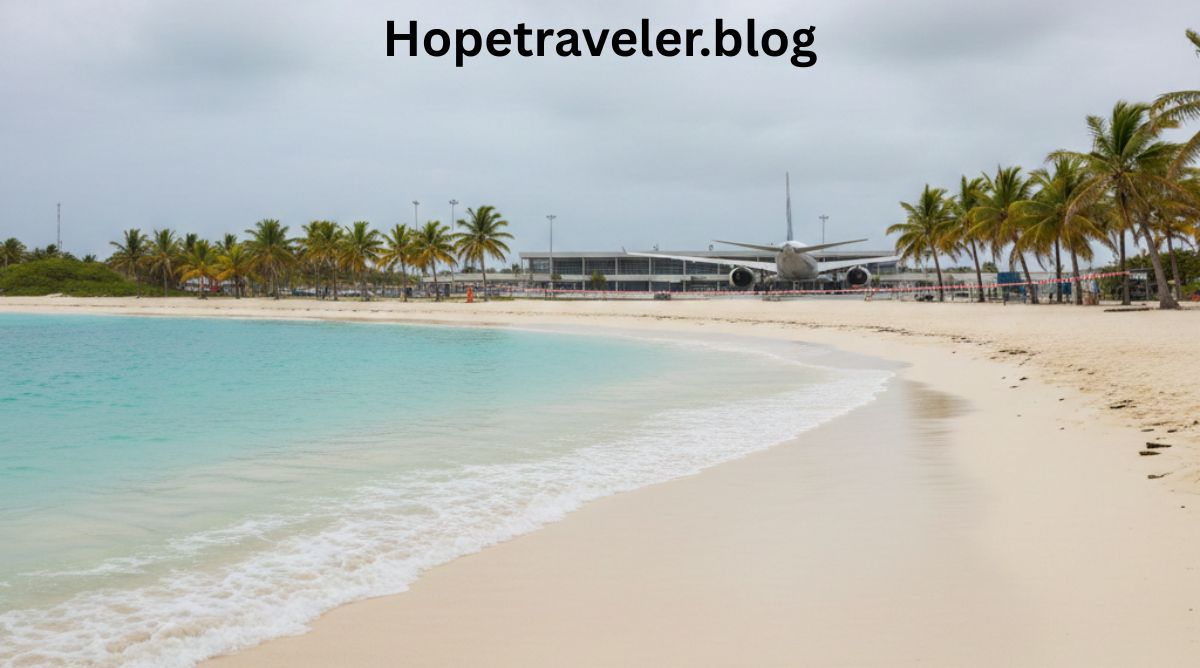
Air Travel and Airport Operations
Air travel is the primary way most visitors reach St Maarten.
During a travel ban, airports may experience:
- Reduced flight schedules
- Limited international arrivals
- Enhanced screening procedures
Airlines often adjust routes and capacity based on government guidance.
Travel Bans vs Travel Advisories
It is important to distinguish between a travel ban and a travel advisory.
A travel ban:
- Legally restricts travel
A travel advisory:
- Warns travelers of potential risks
- Does not legally prevent travel
Confusion between these terms can lead to misunderstandings among travelers.
Duration and Review of Travel Bans
Travel bans are rarely permanent.
Authorities typically:
- Set review timelines
- Adjust rules based on conditions
- Gradually reopen travel in phases
The duration depends on the severity of the situation prompting the restriction.
Phased Reopening After a Travel Ban
When travel bans are lifted, reopening often happens in stages.
These stages may include:
- Limited international arrivals
- Priority entry for certain regions
- Gradual expansion to leisure tourism
This approach allows authorities to monitor impacts before fully reopening.
Health and Safety Measures After Restrictions
Even after a travel ban ends, safety measures may remain.
These can include:
- Health declarations
- Sanitation protocols
- Capacity limits in public spaces
Such measures aim to rebuild traveler confidence while maintaining safety.
Traveler Responsibilities During Restrictions
Travelers planning to visit St Maarten during or after a travel ban have responsibilities.
These include:
- Staying informed about entry rules
- Respecting local regulations
- Preparing for potential changes
Responsible travel behavior helps support recovery efforts.
Psychological Impact of Travel Uncertainty
Uncertainty surrounding travel bans can affect travelers emotionally.
Common concerns include:
- Anxiety about cancellations
- Financial worries
- Disappointment over missed experiences
Clear communication and realistic expectations can help manage these feelings.
Travel Insurance and Travel Bans
Travel bans highlight the importance of preparation.
Travelers often consider:
- Coverage for cancellations
- Medical emergencies
- Unexpected delays
Understanding policy terms is crucial when restrictions are possible.
Media Coverage and Public Perception
Media reporting plays a strong role in shaping perceptions of travel bans.
Sensational headlines can sometimes:
- Create unnecessary fear
- Cause confusion about actual restrictions
Balanced understanding requires looking beyond headlines.
Recovery of Tourism After a Travel Ban
St Maarten has shown resilience in recovering from disruptions.
Tourism recovery often includes:
- Marketing campaigns
- Improved safety protocols
- Community support initiatives
The island’s appeal helps attract visitors once restrictions ease.
Long-Term Changes in Travel Patterns
Travel bans can influence long-term travel behavior.
Some lasting changes may include:
- Increased interest in flexible travel plans
- Greater focus on health and safety
- Preference for well-managed destinations
St Maarten continues adapting to these evolving expectations.
Lessons Learned From Past Travel Restrictions
Each travel ban provides lessons for travelers and authorities.
Key lessons include:
- Importance of clear communication
- Need for flexible travel planning
- Value of emergency preparedness
These lessons help improve future responses.
The Role of Government Communication
Clear communication from authorities is essential during a travel ban.
Effective communication includes:
- Timely updates
- Clear entry guidelines
- Transparent decision-making
This builds trust among travelers and residents.
Balancing Safety and Tourism Growth
St Maarten faces the challenge of balancing public safety with economic needs.
Travel bans reflect efforts to:
- Protect health and infrastructure
- Preserve long-term tourism sustainability
Finding this balance is critical for island destinations.
Final Thoughts
A St Maarten travel ban is a complex issue shaped by health, safety, environmental, and administrative factors. While travel bans can disrupt plans and impact the local economy, they are often implemented to protect people and ensure long-term stability. Understanding what these restrictions mean, how they affect travelers, and how recovery unfolds allows for better preparation and realistic expectations.
St Maarten remains a resilient and attractive destination. Travel bans are typically temporary measures, and the island continues to adapt, recover, and welcome visitors when conditions allow. For travelers, awareness, flexibility, and respect for local regulations are key to navigating travel restrictions responsibly.