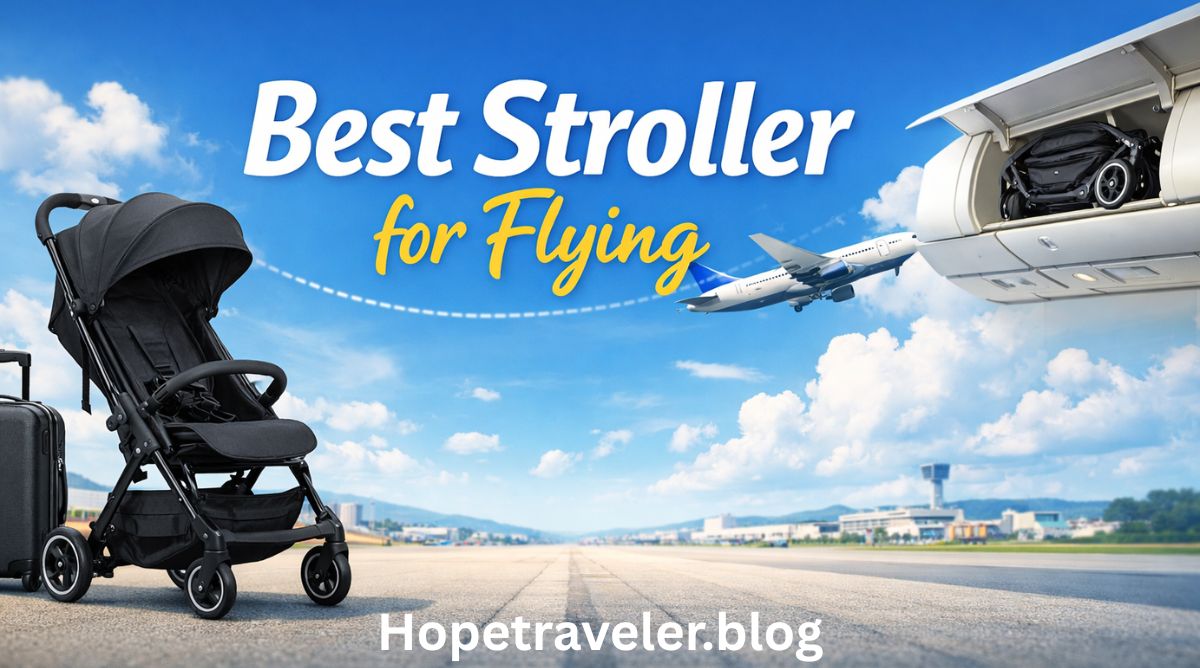
Traveling with a baby or toddler can be both exciting and challenging, especially when air travel is involved. One of the most important decisions parents must make before flying is choosing the best stroller for flying. A travel-friendly stroller can make airport navigation smoother, reduce stress, and keep your child comfortable throughout the journey. This comprehensive guide explores everything parents need to know about selecting the best stroller for flying, from key features and benefits to practical tips and real-world usage scenarios.
Why Choosing the Right Stroller for Flying Matters
Airports are busy, crowded environments that require mobility, flexibility, and efficiency. A standard everyday stroller may be too bulky, heavy, or difficult to manage in tight airport spaces. The right stroller for flying allows parents to move quickly through security lines, boarding gates, and terminals while keeping their child secure.
A well-chosen travel stroller can reduce physical strain, save time, and minimize frustration. It also ensures that your child has a familiar and comfortable place to sit or nap during long waits or layovers.
Understanding Airline and Airport Challenges
Air travel presents unique challenges that influence stroller selection. Parents often face long walking distances, security screenings, gate checks, and overhead storage limitations. Some airports require strollers to be folded at security, while others allow their use up to the aircraft door.
Understanding these challenges helps parents choose a stroller that meets airline size requirements, folds easily, and withstands frequent handling by airport staff.
What Makes a Stroller Ideal for Flying
Not all strollers are designed with air travel in mind. The best stroller for flying usually shares several essential characteristics that set it apart from standard models.
Key qualities include lightweight construction, compact folding, durability, and ease of maneuverability. These features collectively enhance convenience during travel and reduce the risk of damage or inconvenience.
Lightweight Design and Its Importance
Weight plays a critical role when selecting a stroller for flying. Lightweight strollers are easier to carry, lift, and store, especially when navigating stairs, escalators, or boarding bridges.
A lighter stroller also reduces fatigue for parents who may need to carry it through security or onto public transportation at their destination. Many travel strollers are specifically engineered to balance strength with minimal weight.
Compact Folding Mechanisms
A compact folding mechanism is one of the most important features of a travel stroller. The best strollers for flying often fold into a small, self-contained shape that fits into overhead compartments or designated storage areas.
One-handed folding systems are particularly valuable, allowing parents to hold their child while collapsing the stroller. A secure locking mechanism ensures the stroller remains folded during transport.
Cabin-Friendly vs Gate-Check Strollers
Some strollers are designed to be cabin-friendly, meaning they can be brought onboard and stored in overhead bins. Others are intended for gate-checking, where the stroller is handed over at the aircraft door and returned upon landing.
Understanding the difference helps parents decide which option best suits their travel style. Cabin-friendly strollers offer immediate access upon arrival, while gate-check strollers often provide more comfort and sturdiness.
Durability and Build Quality
Air travel can be rough on equipment. Strollers may be handled by airport staff, placed on conveyor belts, or stored alongside luggage. A durable frame and high-quality materials are essential to ensure longevity.
Strong wheels, reinforced joints, and tear-resistant fabric contribute to a stroller’s ability to withstand frequent travel without compromising safety or performance.
Maneuverability in Crowded Airports
Airports are filled with narrow aisles, sharp turns, and crowded spaces. A stroller with smooth maneuverability makes navigating these environments easier.
Swivel wheels, responsive steering, and stable suspension help parents move efficiently while maintaining control. A well-balanced stroller reduces the risk of tipping and improves overall safety.
Comfort for the Child During Travel
While convenience for parents is crucial, comfort for the child should never be overlooked. The best stroller for flying provides adequate seating support, cushioning, and recline options.
Features such as adjustable footrests, breathable fabric, and padded harness systems ensure that children remain comfortable during long waits or naps between flights.
Safety Features to Look For
Safety is a top priority when selecting a stroller for air travel. A reliable harness system keeps the child secure, while sturdy brakes prevent unintended movement.
Five-point harnesses, lockable wheels, and stable frames contribute to a safe travel experience. Parents should also consider strollers that meet recognized safety standards.
Storage Space and Practical Accessories
Storage is often limited when traveling, making stroller storage compartments especially valuable. A good travel stroller includes a basket or pocket for essentials such as diapers, snacks, and travel documents.
Additional accessories like sun canopies, rain covers, and carrying straps enhance convenience and adaptability across different travel conditions.
Ease of Cleaning and Maintenance
Travel exposes strollers to spills, dirt, and germs. Easy-to-clean materials simplify maintenance and help maintain hygiene during trips.
Removable, washable fabric and wipe-clean surfaces allow parents to quickly address messes without disrupting travel plans.
Age and Weight Considerations
The best stroller for flying should suit the child’s age and weight. Some strollers are ideal for infants, while others are better suited for toddlers or older children.
Parents should ensure the stroller provides appropriate support and meets weight limits to maintain safety and comfort throughout the journey.
Travel Scenarios and Stroller Performance
Different travel scenarios may influence stroller needs. Short domestic flights, long international journeys, and multi-city trips each present unique demands.
For frequent flyers, a compact and durable stroller is essential. For occasional trips, a balance between comfort and portability may be more suitable.
Comparing Travel Strollers and Full-Size Strollers
Travel strollers differ significantly from full-size models. While full-size strollers often offer more features and comfort, they can be cumbersome for flying.
Travel strollers prioritize portability and ease of use, making them better suited for airport navigation and storage constraints. Understanding these differences helps parents make informed decisions.
Budget Considerations and Value for Money
Strollers for flying are available across a wide price range. While premium models may offer advanced features and materials, budget-friendly options can still provide excellent performance.
Parents should focus on value rather than price alone, considering durability, comfort, and usability over time.
Tips for Using a Stroller at the Airport
Practical tips can enhance the travel experience. Parents should practice folding and unfolding the stroller before travel to ensure familiarity.
Labeling the stroller, removing loose accessories, and using protective covers can help prevent damage and confusion during transit.
Navigating Security and Boarding Procedures
Security screenings often require strollers to be folded and scanned. A simple folding mechanism speeds up this process and reduces stress.
During boarding, parents may need to collapse the stroller quickly. Strollers designed for rapid folding and secure locking simplify this step.
Handling Layovers and Long Walks
Layovers can involve long distances between gates. A comfortable and maneuverable stroller helps manage these transitions while keeping the child rested.
A reclining seat and smooth ride can allow children to nap comfortably during extended waits.
Traveling Solo With a Stroller
Solo travel with a child requires extra planning. A lightweight, one-handed stroller becomes especially valuable in these situations.
Parents traveling alone benefit from strollers that can stand independently when folded and are easy to carry.
Environmental and Lifestyle Factors
Climate and destination influence stroller selection. Travel to hot climates may require breathable materials and sun protection, while colder destinations benefit from wind shields and insulation options.
Urban travel may prioritize compactness, while outdoor destinations may require sturdier wheels.
Long-Term Use Beyond Flying
While designed for air travel, many travel strollers remain useful beyond flights. They are ideal for quick errands, public transportation, and compact storage at home.
Selecting a versatile stroller ensures continued value long after the trip ends.
Common Mistakes to Avoid When Choosing a Travel Stroller
Parents sometimes focus solely on size or price and overlook important features. Ignoring comfort, safety, or durability can lead to dissatisfaction.
Testing the stroller’s fold, maneuverability, and seating comfort before travel helps avoid these mistakes.
Final Thoughts on the Best Stroller for Flying
Choosing the best stroller for flying requires careful consideration of portability, comfort, safety, and durability. A well-designed travel stroller transforms the flying experience, making airports easier to navigate and travel more enjoyable for both parents and children.
By understanding key features, travel scenarios, and practical tips, parents can confidently select a stroller that meets their needs and supports stress-free travel. With the right stroller, flying with a child becomes less about challenges and more about creating positive travel memories.