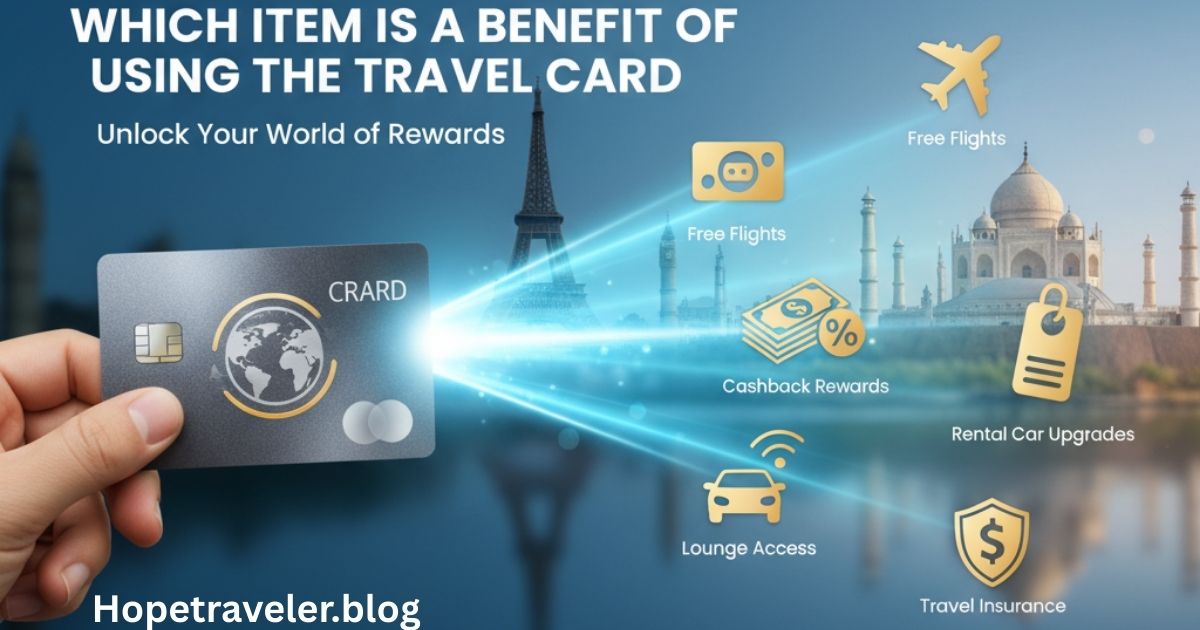
In the modern world, financial tools are designed to make life easier, safer, and more efficient. Among these tools is the travel card, a payment solution that helps travelers manage their expenses while reducing the risks of carrying cash. But many people often wonder: which item is a benefit of using the travel card? The answer lies in a variety of advantages such as convenience, safety, budgeting, and rewards.
This article explores the key benefits of using travel cards, their history, types, and why they are a preferred choice for both domestic and international travelers.
What Is a Travel Card?
A travel card is a type of prepaid, debit, or credit card designed specifically for use while traveling. Unlike regular cards, travel cards often allow users to load multiple foreign currencies, avoid high conversion fees, and access travel-related perks.
There are several kinds of travel cards, including:
- Prepaid travel cards (loaded with specific currencies before traveling)
- Credit travel cards (offer rewards such as miles or cashback on travel spending)
- Debit travel cards (linked to a bank account but optimized for overseas use)
According to Wikipedia, payment cards in general have become an essential tool in global commerce, and travel cards are specialized versions designed for international mobility.
Which Item Is a Benefit of Using the Travel Card?
The primary benefit of using a travel card is convenience and financial safety, but the full list is much broader. Let’s examine the major advantages:
1. Safety Over Carrying Cash
One of the biggest risks of traveling is losing money or becoming a victim of theft. Carrying large amounts of cash makes travelers vulnerable. A travel card minimizes this risk because it can be easily blocked and replaced if lost or stolen. This offers peace of mind, especially in unfamiliar destinations.
2. Currency Flexibility
Prepaid travel cards allow users to load multiple currencies in advance. For example, a traveler moving from the U.S. to Europe and then to Japan can carry dollars, euros, and yen on one card. This eliminates the hassle of exchanging money at airports or local exchange counters.
Such multi-currency cards save time and reduce stress by offering instant access to local currency without extra steps.
3. Cost Savings on Foreign Exchange Fees
Ordinary credit or debit cards often charge high foreign transaction fees (usually 2–3% per transaction). A travel card, however, is designed to minimize or eliminate these charges. This makes it a cost-effective option for frequent travelers.
4. Budget Management
Since prepaid travel cards are loaded with a fixed amount of money, they help travelers control their expenses. Unlike credit cards, which can lead to overspending, travel cards act as a self-imposed budget tool. This feature is especially useful for students and families traveling on a strict budget.
5. Global Acceptance
Most travel cards are issued under global networks such as Visa, Mastercard, or American Express. This means they are accepted at millions of ATMs and merchants worldwide. For international travelers, this global reach is one of the most significant benefits.
6. Rewards and Perks
Credit-based travel cards often come with additional perks like:
- Airline miles or points
- Hotel discounts
- Airport lounge access
- Travel insurance
These rewards make travel cards attractive not just for basic transactions but also for luxury and frequent travelers.
7. Emergency Assistance
Some travel cards come with emergency support services, including:
- Card replacement abroad
- Emergency cash delivery
- Fraud protection services
Such services can be lifesaving if a traveler finds themselves in trouble far from home.
Historical Background of Travel Cards
The idea of a travel card is not new. It evolved from the traditional traveler’s cheque, which was once the most secure way to carry money abroad. Traveler’s cheques, introduced in the 19th century, allowed people to withdraw local currency while minimizing theft risks.
However, as technology advanced, physical cheques were replaced by electronic solutions like prepaid and credit travel cards. According to Wikipedia’s article on traveler’s cheques, usage has sharply declined since the late 20th century because cards are more efficient and widely accepted.
Types of Travel Cards
Travel cards are not one-size-fits-all. The benefits you enjoy depend on the type of card you use:
- Prepaid Travel Cards: Best for budgeting, students, and casual travelers.
- Credit Travel Cards: Ideal for frequent travelers who value perks like miles and lounge access.
- Debit Travel Cards: Suitable for those who prefer direct access to funds without borrowing.
Each type carries its own set of benefits, making it essential for travelers to choose according to their needs.
Travel Cards vs. Regular Credit/Debit Cards
While regular cards can also be used abroad, they often come with limitations such as:
- High transaction fees
- Limited fraud protection
- Lower currency flexibility
Travel cards overcome these limitations, making them a smarter option. The benefit of using a travel card, therefore, lies in its custom design for travel-specific needs.
The Psychological Benefit of Travel Cards
Beyond financial advantages, travel cards provide a psychological sense of security. Knowing that your money is safer, exchange rates are managed, and you won’t face unexpected fees allows you to enjoy the trip more fully. Travel is about experiences, and minimizing stress enhances the overall journey.
The Future of Travel Cards
With the rise of digital wallets and cryptocurrency, the future of travel payment methods is evolving. Many travel cards are now linked with apps that allow real-time tracking of expenses, instant currency loading, and even cryptocurrency integration.
According to Wikipedia’s article on digital wallets, mobile payment systems are rapidly gaining ground, and travel cards are adapting to stay relevant in this changing landscape.
Conclusion
So, which item is a benefit of using the travel card? The answer is not just one item but many: safety, convenience, budgeting, currency flexibility, global acceptance, and travel rewards. A travel card is more than a payment method — it is a travel companion that ensures peace of mind while navigating foreign lands.
Whether you are a student traveling abroad for the first time, a family on vacation, or a frequent flyer chasing business opportunities, the travel card offers undeniable advantages that cash and ordinary cards cannot match.
In the end, the real benefit of a travel card lies in making the journey smoother, safer, and more enjoyable.