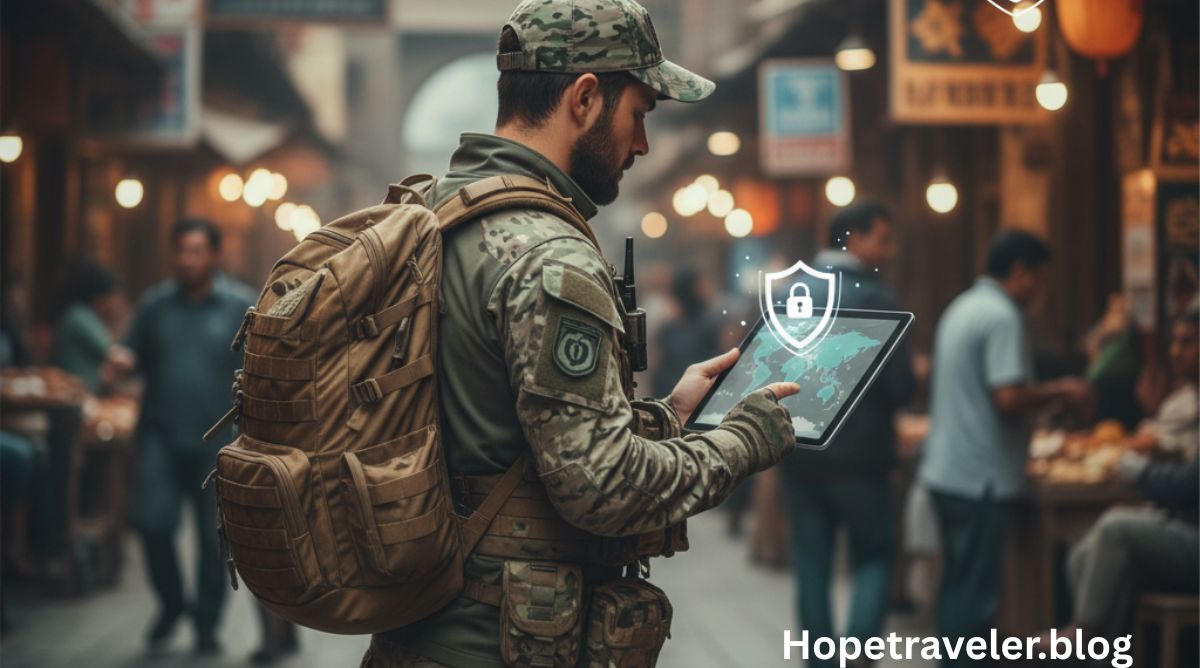
Traveling abroad—especially for government officials, defense contractors, or anyone with access to sensitive information—requires more than just a passport and luggage. It also involves understanding potential security threats and knowing how to safeguard yourself and classified data. That’s where a defensive foreign travel briefing becomes crucial.
A defensive foreign travel briefing (DFTB) is a specialized security briefing designed to prepare personnel for potential risks when traveling outside their home country. It helps protect individuals and national security interests from espionage, kidnapping, cyberattacks, and other foreign intelligence threats.
In this detailed article, we will explore when you must receive a defensive foreign travel briefing, who needs it, why it is important, and what it typically includes.
What Is a Defensive Foreign Travel Briefing?
A Defensive Foreign Travel Briefing is a pre-travel security orientation given to government employees, defense contractors, and individuals with access to classified or sensitive information. Its primary goal is to raise awareness about the risks that travelers might face from foreign intelligence services or hostile entities.
According to the Wikipedia page on security briefings, such briefings are part of broader counterintelligence measures taken to ensure information and personnel safety abroad. These briefings are mandatory in many organizations within the U.S. Department of Defense (DoD), the Department of State, and other government agencies.
When Must You Receive a Defensive Foreign Travel Briefing?
Receiving a defensive foreign travel briefing is mandatory before any foreign travel if you:
- Possess a security clearance (Confidential, Secret, or Top Secret).
- Have access to sensitive compartmented information (SCI) or special access programs (SAP).
- Work in a position that involves handling controlled unclassified information (CUI).
- Are traveling to a country considered high-risk or of counterintelligence concern.
In most cases, you must receive the briefing before the departure date, ideally 30 days prior to travel. For repeat travelers, agencies often require a refresher briefing annually or biannually to ensure that information remains up-to-date.
Department of Defense (DoD) Requirements
The United States Department of Defense mandates that all cleared employees complete a defensive foreign travel briefing before traveling abroad, whether for official or personal reasons.
Under DoD Directive 5240.06 and DoD Manual 5240.06, the following rules apply:
- Before Foreign Travel: Anyone with a security clearance must notify their security office and complete the briefing.
- Post-Travel Debriefing: Upon return, a debriefing is required to report any suspicious contact or activity.
- Annual Updates: Frequent travelers may need periodic updates on changing security environments.
Who Provides the Briefing?
The briefing is typically conducted by:
- A Facility Security Officer (FSO)
- Counterintelligence (CI) or Security Specialists within the agency
- Defense Counterintelligence and Security Agency (DCSA) representatives
In some cases, the online Defensive Foreign Travel Briefing modules are available through secure DoD systems, allowing employees to complete the session remotely before travel.
Purpose of the Briefing
The main goal of a defensive foreign travel briefing is to enhance awareness and reduce vulnerability. It prepares personnel to identify, avoid, and respond appropriately to potential threats.
Key objectives include:
- Understanding foreign intelligence tactics.
- Recognizing and mitigating travel risks.
- Protecting sensitive and classified information.
- Maintaining personal safety and situational awareness abroad.
According to Wikipedia’s Counterintelligence page, counterintelligence is the effort made to protect a nation’s intelligence operations from infiltration and sabotage. Defensive briefings fall directly under this umbrella.
Key Topics Covered in a Defensive Foreign Travel Briefing
The content of a defensive foreign travel briefing depends on your agency and destination, but generally includes the following areas:
1. Threat Awareness
Travelers are educated on common threats, such as:
- Espionage attempts or recruitment efforts.
- Cyberattacks on personal or official devices.
- Surveillance or monitoring by foreign agencies.
- Risks of kidnapping or criminal activity.
2. Information Security
Emphasis is placed on safeguarding personal and government information.
You’ll learn to:
- Avoid using public Wi-Fi for sensitive communications.
- Secure mobile devices and laptops.
- Encrypt data and disable unnecessary connectivity features (Bluetooth, NFC, etc.).
3. Personal Safety and Behavior
The briefing covers best practices for:
- Maintaining a low profile.
- Avoiding risky areas or political gatherings.
- Reporting lost documents or suspicious interactions.
4. Cybersecurity Abroad
With cyber threats becoming more sophisticated, the briefing also includes digital hygiene tips such as:
- Using VPNs and multi-factor authentication.
- Avoiding public charging stations (potential malware risks).
- Traveling with “clean” devices if possible.
5. Reporting Suspicious Activity
Employees are reminded to immediately report:
- Unexpected requests for information.
- Attempts at blackmail or bribery.
- Any unusual or coercive interactions.
This aligns with the U.S. Counterintelligence Awareness and Reporting Program (CIARP), designed to detect and report potential espionage activities early.
Post-Travel Debriefing
After returning from abroad, travelers usually undergo a post-travel debriefing. This step is as vital as the pre-travel session. It allows counterintelligence officers to collect information about potential foreign interest or suspicious encounters.
During the debrief, travelers are asked questions such as:
- Did anyone request information about your job or organization?
- Were you approached by foreign officials or agents?
- Did you experience any unusual incidents (e.g., theft, surveillance, cyber intrusion)?
Why the Briefing Is Important
A defensive foreign travel briefing is more than a formality—it is a crucial line of defense for national security. Many intelligence agencies use seemingly harmless interactions to gather information or establish rapport with foreign travelers.
The Federal Bureau of Investigation (FBI) notes that foreign intelligence services may target travelers for data theft, recruitment, or manipulation. By undergoing the briefing, travelers can better recognize and respond to these tactics.
Examples of Real-World Incidents
There have been multiple cases where lack of awareness led to security breaches.
For instance:
- In 2017, U.S. government contractors traveling abroad were targeted by cyber espionage campaigns through hotel Wi-Fi networks.
- In 2019, a U.S. defense employee unknowingly shared information with a foreign agent during a social event.
Both incidents could have been mitigated with proper defensive travel awareness.
How Often Should You Receive the Briefing?
Even if you frequently travel, most agencies require a refresher every 12 months. However, if you are traveling to new or high-threat regions, an updated briefing must be completed before each trip.
Consequences of Skipping the Briefing
Failing to complete a defensive foreign travel briefing can lead to:
- Suspension of travel authorization.
- Security clearance violations.
- Administrative or disciplinary actions.
In serious cases, repeated negligence could impact your security eligibility, jeopardizing your position within sensitive government or defense sectors.
Conclusion
So, when must you receive a defensive foreign travel briefing? The answer is simple: before any official or personal foreign travel if you hold a security clearance or handle sensitive information.
It is an essential step to ensure both your personal safety and the protection of national interests. The briefing arms you with awareness, preparedness, and knowledge to navigate foreign environments securely and responsibly.
In an increasingly complex global landscape, such preventive measures are not just regulatory—they are vital to safeguarding the integrity of every traveler and the country they represent.
Wikipedia References: