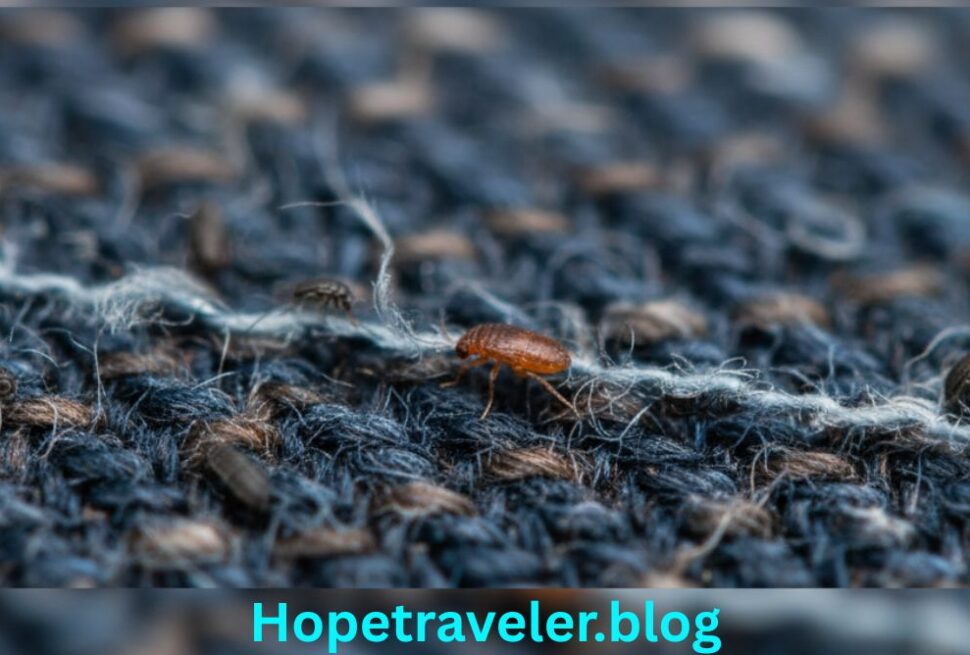
Fleas are one of the most irritating household pests — small, sneaky, and incredibly persistent. They bite humans and animals, reproduce quickly, and can spread fast if left untreated. One common question people often ask is: Can fleas travel on humans to another house?
The short answer is yes, fleas can travel on humans — but not for long. While they may cling to clothing, shoes, or even hair temporarily, humans are not ideal hosts for fleas. However, it is entirely possible for you to carry fleas or flea eggs from one home to another without realizing it.
This detailed guide explains everything you need to know about how fleas can travel on humans, how infestations spread, and what you can do to stop them.
What Are Fleas?
A flea is a tiny, wingless, blood-sucking parasite that feeds on mammals and birds. Adult fleas are about 1–3 millimeters long and have powerful legs that allow them to jump great distances — up to 200 times their body length.
There are over 2,500 species of fleas worldwide, but the most common types that affect homes are:
- Cat fleas (Ctenocephalides felis)
- Dog fleas (Ctenocephalides canis)
- Human fleas (Pulex irritans)
Even though humans can be bitten by fleas, we are not their preferred hosts. Fleas prefer animals with thick fur, such as cats, dogs, rabbits, and rodents, because their coats provide warmth, darkness, and easy access to skin for feeding.
Can Fleas Live on Humans?
Fleas may bite humans and even cling to our clothes or hair temporarily, but they cannot live on humans permanently. Humans lack the dense fur that fleas need to hide, reproduce, and lay eggs.
Here’s why fleas don’t live on people for long:
- No fur or thick hair: They need fur to grip and hide.
- Constant movement: Humans are always moving, showering, and changing clothes.
- Unsuitable skin: Our skin isn’t ideal for flea eggs or larvae to survive.
That said, fleas can still use people as transportation hosts — meaning they can cling to clothes, shoes, or hair and ride to a new location.
How Fleas Travel on Humans
Fleas are expert jumpers and climbers. When you enter an infested environment — for example, a home with a flea-infested cat or carpet — fleas sense your presence through vibrations, body heat, and the carbon dioxide you exhale.
They may then jump onto:
- Your clothing
- Shoes or socks
- Exposed skin
- Hair or scalp (rarely)
Once on your body or clothes, they hold on tightly using their claws. They may feed on your blood if they can reach bare skin, but usually, they’re just trying to find a better host — like your pet.
Can Humans Carry Fleas from One House to Another?
Yes, humans can unintentionally carry fleas from one house to another.
While fleas cannot survive long on human bodies, they can hide in your clothing or personal items long enough to relocate.
Here’s how it usually happens:
- You visit a house with a flea infestation.
- Fleas or flea eggs cling to your pants, socks, or shoes.
- You leave and enter your own home.
- Fleas fall off and hide in your carpet, couch, or pet bedding.
- They find a host (your pet or even you) and start breeding.
Even just one female flea can lay up to 50 eggs per day, which means a small hitchhiker can quickly cause a big infestation in your home.
How Long Can Fleas Stay on Humans?
Adult fleas can stay on a human body for only a few hours to a day before jumping off in search of a better host. They need constant access to blood, and if they don’t find it, they’ll die within 24–48 hours.
However, flea eggs or larvae can survive much longer in clothes or bedding — sometimes up to 7–10 days if the conditions are warm and humid.
So while adult fleas won’t live on you long, they can still cause trouble by laying eggs on your clothes or spreading them to your environment.
Can Fleas Lay Eggs on Human Clothes?
It’s rare, but not impossible. Fleas usually lay eggs on their host animals, but if an adult flea is on your clothing and can’t find a better host, it might lay eggs on the fabric.
These eggs are tiny (about 0.5 mm) and not sticky, meaning they easily fall off onto the floor, couch, bed, or car seat. This is how infestations spread — not by living on you, but by falling into new environments.
That’s why washing and drying clothes immediately after exposure is essential.
How Fleas Spread Between Houses
Fleas spread in many ways — not just through humans. Here are the most common ways infestations move from one home to another:
- Pets visiting other homes (or other pets visiting yours)
- Used furniture or carpets carrying eggs or larvae
- Clothing and shoes contaminated from infested areas
- Guests who unknowingly bring fleas from their own homes
- Wild animals like rats or squirrels entering attics or basements
Once inside, fleas lay eggs that fall into carpets and upholstery, starting a new life cycle.
Can Fleas Live in Your Hair?
It’s a common fear, but fleas rarely live in human hair. While they might bite around your ankles, legs, or waist, they prefer furry hosts.
However, if you’ve been in a heavily infested environment, a flea may temporarily crawl into your hair or scalp. You might notice:
- Itching or tickling sensations
- Small red bite marks on the neck or scalp line
- Tiny dark specks (flea droppings)
In such cases, washing your hair with a medicated shampoo or anti-parasitic treatment will easily eliminate them.
How to Prevent Fleas from Traveling on You to Another House
Here are practical steps to stop fleas from hitching a ride on your body or clothes:
1. Avoid Infested Areas
If you know a friend or relative has a flea issue, avoid sitting on their carpets or couches until the problem is treated.
2. Wear Protective Clothing
When visiting areas with pets, wear light-colored, smooth fabrics — fleas are easier to spot and less likely to cling.
3. Use Flea Repellent Sprays
Products containing DEET or permethrin can deter fleas from latching onto clothing.
4. Change and Wash Clothes Immediately
After visiting a pet shelter or infested house, change your clothes and wash them in hot water (above 95°F or 35°C).
5. Dry on High Heat
Heat kills all flea life stages — adults, eggs, larvae, and pupae.
6. Vacuum and Clean Your Car
Fleas can fall off clothes into your vehicle. Regular vacuuming prevents them from spreading to your home.
7. Treat Pets Regularly
Use vet-approved flea prevention products on your dogs and cats year-round. Pets are the main transporters of fleas between homes.
How to Know If You Brought Fleas into Your Home
It’s not always obvious at first, but these signs indicate you might have accidentally transported fleas:
- Pets scratching or biting themselves excessively
- Tiny black dots (flea dirt) on pet bedding or furniture
- Small red itchy bites on your legs or ankles
- Jumping insects seen on carpets or upholstery
If you notice these, you’ll need to treat both your pets and your home immediately.
What to Do If You Think You Carried Fleas to Another House
Don’t panic — flea infestations can be managed if caught early. Here’s what to do:
- Wash all clothing and bedding in hot water.
- Vacuum floors, rugs, and furniture thoroughly every day for a week.
- Treat your pets with flea control products.
- Use flea spray or foggers to kill remaining eggs and larvae.
- Repeat cleaning after 7–10 days to eliminate new hatchlings.
Consistency is key — breaking the flea life cycle takes patience and multiple treatments.
Can Fleas Survive Without Pets in the House?
Yes, but only for a limited time. Adult fleas without a host can survive for about one to two weeks, depending on humidity and temperature. However, their eggs and larvae can remain dormant in carpets for up to 3 months.
That means even if you don’t have pets, fleas could still linger in the environment and reappear when they sense a new host entering the house.
Flea Bites on Humans: Symptoms and Treatment
If fleas bite you, you’ll typically see:
- Small, red, itchy bumps (often in groups of three or four)
- Bites concentrated around ankles, legs, or waist
- Intense itching that worsens at night
Treatment Tips:
- Wash the area with soap and water
- Apply anti-itch creams or hydrocortisone
- Take antihistamines if itching persists
- Avoid scratching — it can lead to infection
If symptoms worsen or you have an allergic reaction, consult a healthcare provider.
Conclusion: Can Fleas Travel on Humans to Another House?
To sum it up — yes, fleas can travel on humans to another house, but they won’t live on us permanently. Humans act as temporary carriers, allowing fleas or their eggs to hitch a short ride to a new environment.
Once there, the fleas fall off, find a host (often a pet), and start a new infestation.
Here’s the key takeaway:
- Fleas don’t live on humans, but they can cling to clothes or shoes.
- You can carry fleas between homes unknowingly.
- Hot washing, high-heat drying, and regular vacuuming kill fleas effectively.
- Always treat pets and clean environments to stop the flea life cycle.
By maintaining proper hygiene, treating your pets, and being cautious in infested areas, you can ensure fleas don’t travel with you to another house.