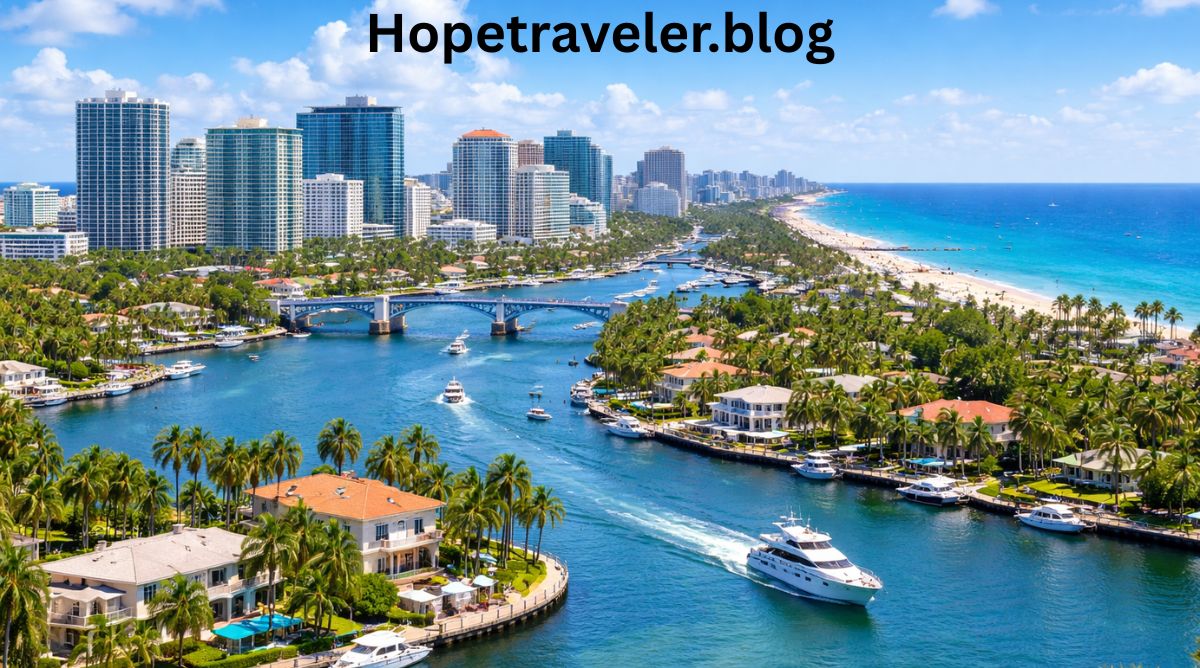
Fort Lauderdale Florida Verenigde Staten is one of the most attractive coastal cities in the southeastern United States. Located in Broward County along the Atlantic Ocean, Fort Lauderdale is known for its boating canals, sandy beaches, vibrant tourism industry, and growing business environment. While it is often compared to nearby Miami, Fort Lauderdale has developed its own distinct identity, combining relaxed coastal living with economic opportunity and international appeal. Understanding Fort Lauderdale requires exploring its geography, history, economy, lifestyle, and cultural diversity in detail.
Geographic Location and Climate
Fort Lauderdale Florida Verenigde Staten is situated about 30 miles north of Miami in southeastern Florida. The city lies along the Atlantic coastline and is bordered by an extensive network of inland waterways and canals. These canals have earned it the nickname “The Venice of America,” as they weave through residential neighborhoods and provide direct access to the ocean.
The climate in Fort Lauderdale is tropical, characterized by hot, humid summers and warm, dry winters. Summer temperatures commonly exceed 30 degrees Celsius, with frequent afternoon thunderstorms. Winter months are mild and comfortable, making the city a popular destination for tourists seeking escape from colder northern climates.
The Atlantic Ocean influences weather patterns, and hurricane season runs from June through November. Modern infrastructure and preparedness systems have improved the city’s ability to manage tropical storms and hurricanes, though they remain a natural consideration for residents and planners.
Historical Development
The history of Fort Lauderdale Florida Verenigde Staten begins with Native American tribes, particularly the Tequesta people, who inhabited the region before European arrival. Spanish explorers visited the area in the 16th century, but permanent settlement remained limited for centuries.
The modern city traces its name back to a series of forts built during the Second Seminole War in the 1830s. These forts were constructed under the command of Major William Lauderdale. Although the original forts no longer stand, the name Fort Lauderdale remained and eventually became the identity of the growing community.
Significant development began in the early 20th century, especially after the Florida land boom of the 1920s. The construction of railroads and highways connected Fort Lauderdale to other major cities in Florida. Over time, tourism and marine industries fueled population growth, transforming it into a prominent urban center.
Economic Landscape
Fort Lauderdale Florida Verenigde Staten has a diverse economy supported by tourism, marine industries, aviation, technology, and finance. Tourism remains one of the strongest pillars of the local economy. Visitors are drawn to the city’s beaches, cruise terminals, entertainment venues, and waterfront lifestyle.
The marine industry plays a particularly important role. Fort Lauderdale hosts one of the largest boat shows in the world and serves as a major hub for yacht manufacturing, maintenance, and brokerage services. The extensive canal system and marina infrastructure support thousands of vessels.
Fort Lauderdale-Hollywood International Airport contributes significantly to economic growth by facilitating both domestic and international travel. The airport serves millions of passengers annually and supports trade, tourism, and business travel.
In recent years, the city has attracted technology firms and startups seeking a business-friendly environment with favorable tax policies. The financial services sector has also expanded, strengthening the city’s economic profile.
Tourism and Attractions
Fort Lauderdale Florida Verenigde Staten is internationally recognized for its tourism appeal. The city’s beaches stretch for miles along the Atlantic coast, offering soft sand, clear waters, and well-maintained public spaces. Beachfront promenades provide walking, cycling, and dining opportunities.
Las Olas Boulevard is one of the city’s most famous areas. It features boutiques, art galleries, restaurants, and nightlife venues. The boulevard connects downtown Fort Lauderdale to the beach, creating a vibrant corridor of activity.
The city’s canal tours allow visitors to explore luxury waterfront homes and yachts. Water taxis operate throughout the canal system, offering both transportation and sightseeing experiences.
Port Everglades, located near the city, serves as a major cruise port. Many cruise lines depart from this port, connecting travelers to Caribbean destinations and beyond.
Cultural attractions include museums, performing arts centers, and annual festivals. The city blends leisure and entertainment, making it attractive for families, couples, and solo travelers alike.
Residential Life and Real Estate
Fort Lauderdale Florida Verenigde Staten offers a wide range of residential options. Waterfront properties are particularly desirable, with many homes featuring private docks and direct canal access. High-rise condominiums line the beachfront and downtown areas, providing luxury living with ocean views.
Suburban neighborhoods offer quieter environments with parks, schools, and family-friendly amenities. As population growth continues, real estate development has expanded vertically and horizontally to accommodate demand.
The cost of living in Fort Lauderdale can be high, especially near the waterfront and downtown districts. However, compared to nearby Miami, some neighborhoods may offer relatively more affordable options.
The overall lifestyle emphasizes outdoor activities, boating, dining, and cultural engagement. The tropical climate encourages year-round recreation and social interaction.
Cultural Diversity and Community
Fort Lauderdale Florida Verenigde Staten reflects the broader multicultural character of South Florida. The population includes residents from various backgrounds, including Latin American, Caribbean, European, and North American communities.
Spanish is commonly spoken alongside English, and cultural festivals celebrate diverse traditions. The city promotes inclusivity and hosts events that highlight music, art, and cuisine from different cultures.
Fort Lauderdale is also known for its welcoming atmosphere toward the LGBTQ+ community. It has developed a reputation as one of the most inclusive cities in Florida, with dedicated neighborhoods, events, and support networks.
Education and Institutions
Education is an important component of life in Fort Lauderdale Florida Verenigde Staten. The city is served by Broward County Public Schools, one of the largest school districts in the United States. Schools offer diverse programs, including magnet and bilingual education options.
Higher education institutions and colleges in the area provide opportunities for undergraduate and graduate studies. These institutions contribute to research, workforce training, and community engagement.
Libraries, community centers, and vocational training programs further support educational development and lifelong learning.
Transportation and Infrastructure
Transportation infrastructure in Fort Lauderdale Florida Verenigde Staten supports residents, tourists, and businesses. Fort Lauderdale-Hollywood International Airport is a major gateway for travelers, particularly those heading to Caribbean and Latin American destinations.
Highways such as Interstate 95 connect the city to Miami and other parts of Florida. Public transportation includes bus services and the Brightline high-speed rail, which links Fort Lauderdale with Miami, West Palm Beach, and Orlando.
The city’s water taxi system is unique, providing scenic and practical transportation along the canals. Ongoing infrastructure investments aim to improve mobility and reduce traffic congestion.
Marine and Boating Industry
One of the most defining features of Fort Lauderdale Florida Verenigde Staten is its marine industry. The city hosts the Fort Lauderdale International Boat Show, attracting yacht owners, manufacturers, and enthusiasts from around the world.
Marinas, shipyards, and marine service companies form a major part of the local economy. The extensive canal network supports boating culture, making yacht ownership and water recreation central to life in the city.
This maritime focus distinguishes Fort Lauderdale from many other coastal cities in the United States.
Environmental Considerations
Like many coastal cities, Fort Lauderdale Florida Verenigde Staten faces environmental challenges. Rising sea levels and climate change pose risks to low-lying areas. Flood mitigation systems and resilient infrastructure planning are key priorities.
The city works to preserve coastal ecosystems, including mangroves and coral reefs. Sustainable urban planning and environmental protection efforts aim to balance development with conservation.
Beach renourishment projects and water management initiatives help protect the shoreline and maintain tourism appeal.
Arts, Entertainment, and Nightlife
Fort Lauderdale Florida Verenigde Staten offers a lively arts and entertainment scene. The Broward Center for the Performing Arts hosts concerts, theater productions, and cultural events. Art galleries and public art installations enrich the urban landscape.
Nightlife options range from beachfront bars to upscale lounges. Restaurants serve international cuisine reflecting the city’s diverse population.
Annual festivals, including boat shows, food festivals, and music events, bring together residents and visitors throughout the year.
Sports and Recreation
Outdoor recreation is central to life in Fort Lauderdale Florida Verenigde Staten. Residents enjoy boating, fishing, paddleboarding, and scuba diving. Parks and recreational facilities support tennis, golf, and jogging.
The city hosts sporting events and provides access to professional sports teams in nearby Miami. Fitness culture is strong, supported by gyms, yoga studios, and outdoor exercise spaces.
The warm climate allows for year-round activity, enhancing quality of life.
Future Growth and Development
Fort Lauderdale Florida Verenigde Staten continues to evolve. Urban development projects aim to modernize downtown areas, expand residential capacity, and improve transportation systems.
The city seeks to attract new industries while maintaining its reputation as a leisure destination. Sustainable building practices and climate adaptation strategies are increasingly integrated into development plans.
As population growth continues, balancing economic expansion with environmental responsibility remains a key focus.
Conclusion
Fort Lauderdale Florida Verenigde Staten stands as a vibrant coastal city combining tourism, marine expertise, multicultural diversity, and economic growth. Its canals, beaches, and boating culture give it a distinctive character within Florida and the broader United States.
From its historical origins as a military fort to its current status as an international travel and marine hub, Fort Lauderdale has continuously adapted to changing economic and social landscapes. Its welcoming community, thriving business environment, and commitment to sustainable development ensure its continued relevance and appeal.
With a blend of relaxed coastal living and global connectivity, Fort Lauderdale Florida Verenigde Staten remains one of the most dynamic and desirable cities in South Florida.