Miami Florida Verenigde Staten is one of the most dynamic and internationally recognized destinations in the United States. Known for its warm climate, multicultural population, coastal beauty, and vibrant economy, Miami represents a unique blend of North American infrastructure and Latin American influence. Located in the southeastern part of the state of Florida, this city has grown into a global hub for tourism, finance, culture, entertainment, and trade. Understanding Miami requires exploring its geography, history, economy, lifestyle, and global significance in depth.
Geographic Location and Climate
Miami Florida Verenigde Staten is situated in southeastern Florida along the Atlantic Ocean. The city is part of Miami-Dade County and lies between the Everglades wetlands to the west and Biscayne Bay to the east. Its strategic coastal location has played a major role in its development as a port city and tourist hotspot.
The climate of Miami is classified as tropical monsoon. This means the city experiences hot, humid summers and warm, dry winters. Summer temperatures frequently rise above 30 degrees Celsius, accompanied by high humidity and regular afternoon thunderstorms. Winters are mild, with temperatures rarely dropping below 15 degrees Celsius. This year-round warmth attracts millions of visitors from colder regions, especially during winter months.
Hurricane season runs from June through November. Although Miami has strong infrastructure designed to handle tropical storms, hurricanes remain a natural factor influencing city planning and architecture.
Historical Background
The history of Miami Florida Verenigde Staten is relatively young compared to many American cities. The area was originally inhabited by Native American tribes, particularly the Tequesta people. In the 16th century, Spanish explorers arrived, but the region remained sparsely populated for centuries.
Miami officially became a city in 1896. Its growth accelerated after the extension of the Florida East Coast Railway by Henry Flagler. The railway connection transformed Miami from a small settlement into a developing city with economic potential.
In the 20th century, Miami experienced multiple waves of immigration, particularly from Cuba and other Latin American countries. The Cuban Revolution in 1959 led to a large influx of Cuban refugees, permanently shaping the cultural and linguistic identity of the city. Today, Spanish is widely spoken, and Miami is often considered the capital of Latin America outside Latin America itself.
Cultural Diversity and Identity
One of the defining characteristics of Miami Florida Verenigde Staten is its multicultural population. The city is home to communities from Cuba, Colombia, Venezuela, Haiti, Nicaragua, Brazil, and many other countries. This diversity influences food, music, language, festivals, and daily life.
In many neighborhoods, Spanish is spoken as frequently as English. Cultural celebrations such as Calle Ocho Festival reflect the strong Latin influence. Haitian heritage is visible in neighborhoods like Little Haiti, while Little Havana remains a cultural center for Cuban traditions.
The multicultural atmosphere makes Miami unique among American cities. It functions as a cultural bridge between the United States and Latin America.
Economy and Business Environment
Miami Florida Verenigde Staten has a diverse and growing economy. Tourism remains one of its strongest sectors. Millions of visitors arrive each year to enjoy beaches, nightlife, shopping, and cultural attractions.
The Port of Miami is one of the busiest cruise ports in the world. It serves as a gateway for cruise travel to the Caribbean and beyond. The city is also a major center for international trade, especially with Latin American markets.
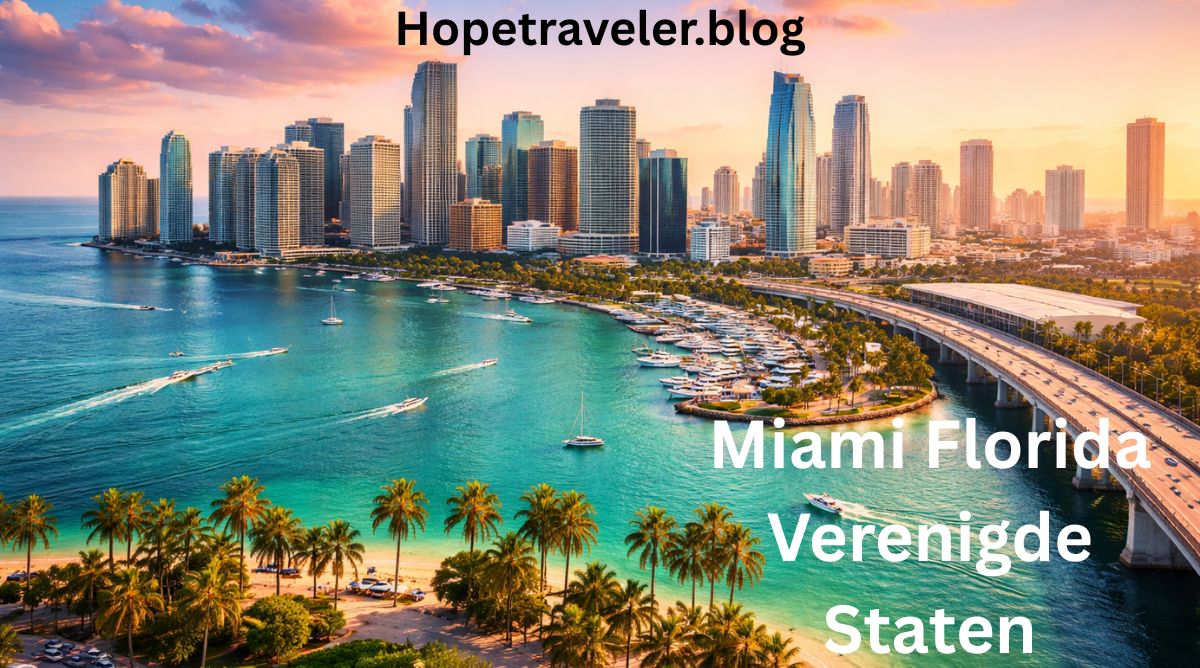
In recent years, Miami has developed into a technology and finance hub. Many startups and investment firms have relocated to the area due to favorable tax policies and business-friendly regulations. Real estate development continues to expand, with high-rise residential and commercial buildings reshaping the skyline.
The city also hosts major events and conferences that attract international investors and entrepreneurs.
Tourism and Attractions
Tourism is central to the identity of Miami Florida Verenigde Staten. Visitors are drawn to its beaches, cultural districts, and entertainment venues.
South Beach is one of the most famous areas, known for its Art Deco architecture, white sand beaches, and vibrant nightlife. The colorful buildings of Ocean Drive are internationally recognized symbols of Miami.
Downtown Miami offers shopping centers, restaurants, and cultural institutions. Brickell serves as the financial district, filled with luxury condominiums and office towers.
Nature enthusiasts can explore nearby Everglades National Park, which features unique ecosystems and wildlife such as alligators and rare bird species. Biscayne Bay offers opportunities for boating, fishing, and water sports.
Miami is also home to world-class art events such as Art Basel Miami Beach, which attracts artists and collectors from around the globe.
Education and Research
Education plays an important role in the development of Miami Florida Verenigde Staten. The city hosts several respected universities and colleges. These institutions contribute to research, innovation, and workforce development.
Public schools in Miami-Dade County serve a diverse student population. Many schools offer bilingual education programs reflecting the city’s multicultural nature.
Higher education institutions attract international students, further enhancing the global character of the city.
Transportation and Infrastructure
Transportation infrastructure in Miami Florida Verenigde Staten supports both residents and visitors. Miami International Airport is one of the busiest international airports in the United States, particularly for flights to and from Latin America.
Public transportation includes buses, Metrorail, and Metromover systems. While many residents rely on personal vehicles, efforts are ongoing to expand and improve public transit options.
The city’s port facilities strengthen its position as a major trade and cruise destination. Continuous infrastructure investment ensures that Miami remains competitive on a global scale.
Real Estate and Lifestyle
Real estate in Miami Florida Verenigde Staten ranges from luxury waterfront mansions to high-rise condominiums and suburban family homes. The city has seen significant growth in property development, particularly in neighborhoods such as Brickell and Edgewater.
The lifestyle in Miami is often described as energetic and outdoor-oriented. Residents enjoy beaches, parks, boating, dining, and nightlife throughout the year due to the warm climate.
However, the cost of living can be high, especially in central and coastal neighborhoods. Property prices and rental rates have increased as demand continues to grow.
Arts, Entertainment, and Nightlife
Miami Florida Verenigde Staten is globally known for its entertainment scene. The city offers a mix of Latin music, electronic dance music, hip-hop, and international performances.
Nightclubs in areas like South Beach attract visitors from around the world. Live music venues host concerts featuring global artists. The performing arts scene includes theaters, ballet companies, and symphony orchestras.
Film and television productions frequently use Miami as a backdrop due to its distinctive skyline and tropical scenery.
Sports and Recreation
Sports are an important part of life in Miami Florida Verenigde Staten. The city hosts professional teams in basketball, football, and baseball. Sporting events attract large audiences and contribute to local pride.
Water sports such as jet skiing, sailing, and paddleboarding are popular due to easy access to the ocean. Golf courses and tennis facilities are widely available.
Outdoor recreation is accessible year-round, making fitness and active living central to Miami’s culture.
Challenges and Urban Development
Despite its many strengths, Miami Florida Verenigde Staten faces several challenges. Climate change and rising sea levels pose long-term risks due to the city’s low elevation and coastal location. Flood mitigation projects and resilient infrastructure planning are ongoing priorities.
Housing affordability has become a concern as real estate prices rise. Traffic congestion is another issue, leading to calls for expanded public transportation.
City planners continue working on sustainable development strategies to balance growth with environmental protection.
Global Significance
Miami Florida Verenigde Staten serves as an international gateway. Its airport, seaport, financial institutions, and cultural ties connect North America with Latin America and the Caribbean. Many multinational companies use Miami as their regional headquarters for operations in the Americas.
The city’s bilingual environment, international trade connections, and tourism appeal reinforce its status as a global city. It consistently ranks among the most visited cities in the United States.
Conclusion
Miami Florida Verenigde Staten stands out as a city defined by diversity, opportunity, and natural beauty. From its tropical climate and coastal geography to its multicultural population and global economic influence, Miami offers a distinctive experience within the United States.
Its history of immigration has shaped a vibrant cultural identity that continues to evolve. Tourism, finance, trade, and technology drive economic growth, while art, music, and nightlife contribute to its worldwide reputation.
Although challenges such as climate change and housing affordability require careful planning, Miami continues to adapt and innovate. As a bridge between continents and cultures, Miami Florida Verenigde Staten remains one of the most influential and dynamic cities in the modern world.