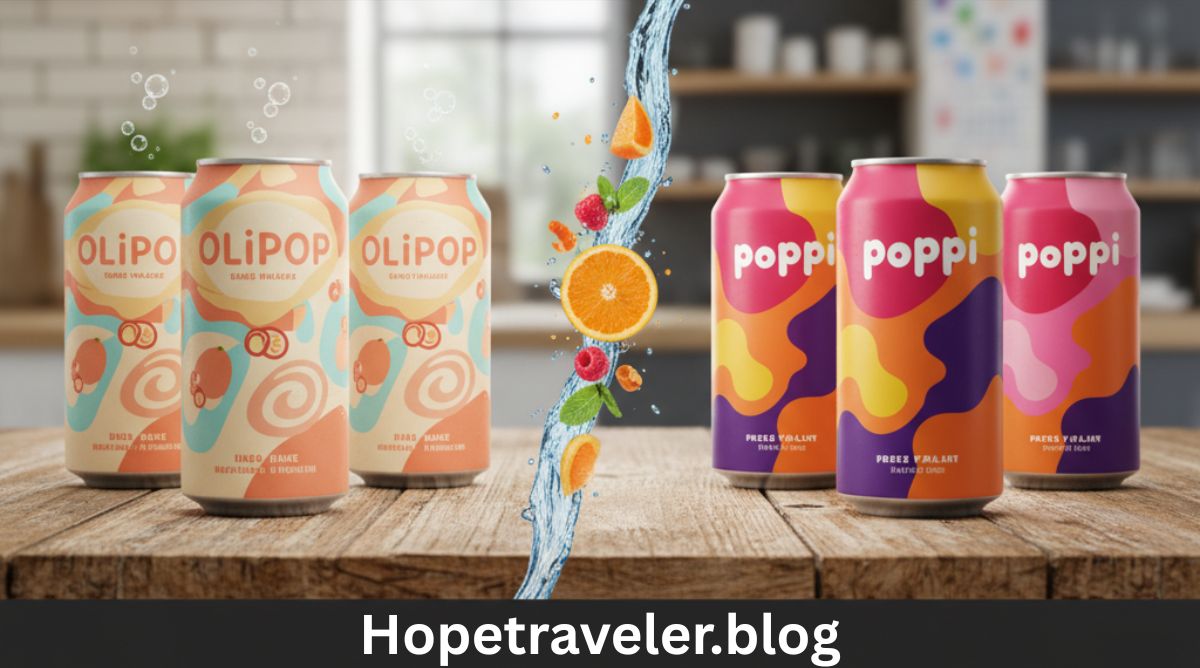
Functional sodas have become one of the fastest-growing beverage trends in the United States. Among the most talked-about brands are Olipop and Poppi, two companies that market themselves as healthier alternatives to traditional sugary sodas. The conversation around Olipop vs Poppi has created a wave of curiosity among consumers looking for drinks that combine flavor with digestive-friendly ingredients.
Although neither brand currently has a dedicated Wikipedia page, both fall under the broader category of soft drinks and are often discussed within the context of prebiotics, soda alternatives, and functional beverages.
This detailed article explores the differences, similarities, ingredients, flavors, nutritional profiles, price comparison, and which one may be better suited for your lifestyle.
Understanding Functional Sodas
Before diving into Olipop vs Poppi, it’s important to understand where these drinks fit in the beverage landscape.
Functional sodas are drinks that offer more than taste—they typically include ingredients believed to support digestion, gut health, hydration, or overall wellness. Unlike traditional sodas that rely on high sugar and artificial additives, these drinks position themselves as “better-for-you” alternatives.
While they are still considered soft drinks, they differ in formulation and target audience.
What Is Olipop?
Olipop is marketed as a “prebiotic soda,” emphasizing digestive health through ingredients like plant fibers, botanical extracts, and natural sweeteners. The brand often highlights its use of prebiotics, which support the growth of beneficial gut bacteria.
Its formula typically contains:
- Plant fibers
- Fruit extracts
- Botanical ingredients
- Stevia or natural sweeteners
- Prebiotic blends
Olipop aims to replicate classic soda flavors while drastically lowering sugar content.
What Is Poppi?
Poppi is another popular functional soda brand with a focus on simplicity. It is best known for including apple cider vinegar and natural fruit flavors. Poppi has grown rapidly on social media because of its bright branding, refreshing taste, and strong marketing around gut-friendly beverages.
Its core ingredients typically include:
- Apple cider vinegar
- Fruit juice or extracts
- Sparkling water
- Natural sweeteners
- Light prebiotic fiber
Poppi is positioned as a refreshing, lightly flavored soda alternative.
Olipop vs Poppi: Ingredient Comparison
1. Prebiotics
Both drinks lean heavily into prebiotics, which are non-digestible fibers that support healthy gut bacteria. For background, see Prebiotic (nutrition).
- Olipop: Uses multiple plant-based fiber sources.
- Poppi: Primarily relies on apple cider vinegar’s natural prebiotics.
2. Sweeteners
- Olipop: Often uses stevia and other natural sweeteners, resulting in a sweeter soda-like taste.
- Poppi: Tends to be lighter and less sweet, appealing to those who prefer mild flavors.
3. Flavor Base
- Olipop: Mimics classic sodas like root beer, cola, cream soda, and orange soda.
- Poppi: Focuses on fruit-forward flavors like raspberry rose, watermelon, and cherry limeade.
4. Carbonation
Both are carbonated beverages, similar to traditional soft drinks, which fall under the broader category of carbonated beverages.
Olipop vs Poppi: Flavor Variety
Olipop Flavors
Olipop tends to appeal to people who enjoy nostalgic soda flavors. Common lines include:
- Vintage Cola
- Strawberry Vanilla
- Classic Root Beer
- Cream Soda
- Cherry Cola
These flavors are intentionally crafted to recreate classic drinks without the sugar crash.
Poppi Flavors
Poppi’s flavors are more modern, colorful, and fruit-driven, such as:
- Orange
- Raspberry Rose
- Strawberry Lemon
- Watermelon
- Cherry Lime
Poppi’s taste profile is lighter and often described as more refreshing than traditional soda.
Olipop vs Poppi: Nutritional Profile
While exact nutritional values vary by flavor, a general comparison can be made.
Calories
- Olipop: Usually around 35–45 calories per can.
- Poppi: Typically 20 calories or less.
Sugar Content
As part of the low-calorie soft drink category, both brands stay low in sugar.
- Olipop: 2–5g of sugar per can.
- Poppi: Around 4–5g of sugar per can.
Fiber
This is a major difference.
- Olipop: Contains 7–9g of dietary fiber per can.
- Poppi: Contains roughly 2g of fiber.
This makes Olipop a significantly more fiber-rich drink.
Olipop vs Poppi: Taste Comparison
Taste is subjective, but general consumer responses show:
Olipop
- Sweeter, more soda-like
- Thicker due to fiber content
- Great for people who want a healthier version of cola or root beer
Poppi
- Light, fruity, and crisp
- Less sweet
- Better for those who want something refreshing and hydrating without a heavy flavor
Olipop vs Poppi: Price Comparison
Both brands fall into the premium beverage category. While prices vary by location:
- Olipop: Usually slightly more expensive, especially due to higher fiber content and more complex formulation.
- Poppi: Generally a little cheaper, making it more appealing for everyday drinking.
Compared to mainstream soft drinks, both cost significantly more due to specialized ingredients.
Health Considerations (General Overview)
While both brands are marketed as healthier soda alternatives, it’s important to remember they are still soft drinks and should be consumed in moderation.
Potential Benefits
- Lower sugar than traditional sodas
- Some level of prebiotic fiber
- No artificial colors (depending on flavor)
- Less processed ingredients
Important Notes
- Fiber-heavy drinks like Olipop may cause digestive discomfort in some people.
- Apple cider vinegar in Poppi may not be suitable for everyone.
- Neither product is a substitute for medical treatment or a balanced diet.
Olipop vs Poppi: Which One Is Better?
Choose Olipop if you want:
- Classic soda flavors
- A sweeter taste
- High fiber content
- A soda-like experience without the sugar
Choose Poppi if you want:
- Light, fruity flavors
- Lower calories
- A refreshing, easy-to-drink soda alternative
- Something milder on the stomach
Both beverages have their unique strengths, and the “better” option depends on personal preference, flavor style, and nutritional goals.
Market Popularity and Cultural Impact
The rise of Olipop and Poppi reflects a larger movement toward health-conscious soft drinks.
Influencers, social media trends, and gut-health awareness have accelerated the demand for prebiotic beverages. The growth of these brands also aligns with a broader shift away from traditional soda consumption.
Younger consumers, especially Millennials and Gen Z, tend to prefer drinks that combine flavor with perceived health benefits.
Future of Functional Sodas
As consumer interest in wellness grows, the debate of Olipop vs Poppi will continue. Future trends may include:
- More botanical or herbal ingredients
- More flavor innovation
- Increased competition from new startups
- Better availability in restaurants and vending machines
- Expanded international markets
Both brands are well-positioned to dominate the functional soda category in the coming years.
Conclusion
The comparison of Olipop vs Poppi shows two distinct approaches to creating healthier soda alternatives. Olipop focuses on high-fiber, classic soda tastes, while Poppi leans toward light, fruit-forward, refreshing flavors. Both drinks fall within the broader world of soft drinks and use prebiotics to appeal to health-minded consumers.
Whether you choose Olipop or Poppi depends on your personal taste preferences, health priorities, and budget. For some, Olipop’s soda-like sweetness is perfect. For others, Poppi’s crisp, modern flavors feel fresher and lighter.
In the end, both brands provide flavorful alternatives for those seeking a break from traditional sodas without sacrificing taste or enjoyment.