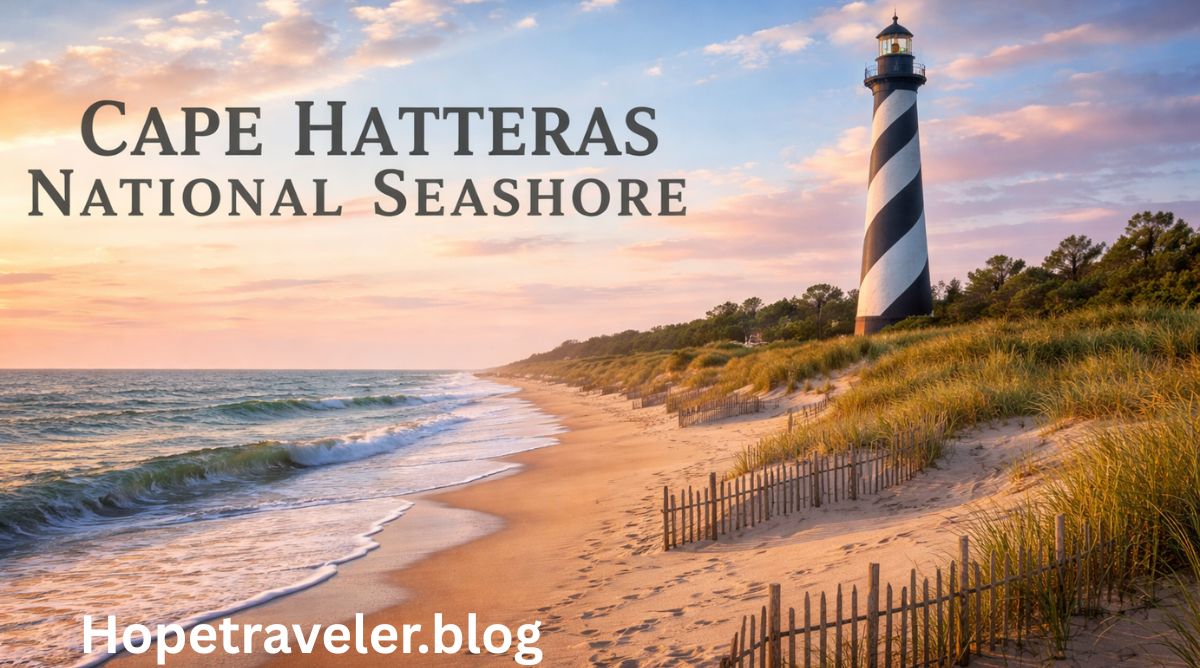
Cape Hatteras National Seashore is one of the most iconic coastal destinations in the United States, known for its vast stretches of unspoiled shoreline, dynamic natural landscapes, and rich maritime history. Located along the barrier islands of Outer Banks, this protected area extends for miles along the Atlantic Ocean, offering visitors a unique combination of scenic beauty, ecological diversity, and cultural significance.
As the first national seashore established in the country, Cape Hatteras National Seashore represents a milestone in conservation efforts aimed at preserving coastal environments. Its beaches, dunes, marshes, and maritime forests create a diverse ecosystem that supports a wide range of plant and animal life. At the same time, the area serves as a popular destination for recreation, attracting visitors from around the world.
Geographic Location and Landscape
Cape Hatteras National Seashore is situated along the eastern coast of North Carolina, encompassing a large portion of the Outer Banks. These barrier islands form a narrow strip of land that separates the Atlantic Ocean from inland waters such as sounds and estuaries.
The landscape of the seashore is constantly shaped by natural forces, including wind, waves, and storms. Sand dunes shift over time, shorelines change, and new inlets may form as a result of powerful weather events. This dynamic environment makes the area both fascinating and challenging to manage.
The seashore includes a variety of habitats, from sandy beaches and rolling dunes to wetlands and forests. Each of these environments plays a vital role in maintaining the ecological balance of the region.
Historical Significance
Cape Hatteras National Seashore is deeply connected to the maritime history of the United States. The waters off its coast are known as the “Graveyard of the Atlantic” due to the large number of shipwrecks that have occurred in the area. Dangerous currents, shifting sandbars, and frequent storms have made navigation difficult for centuries.
To improve safety, several lighthouses were constructed along the coast, including the famous Cape Hatteras Lighthouse. This lighthouse is one of the tallest in the United States and serves as a symbol of the region’s maritime heritage.
The history of the area also includes early settlements, fishing communities, and the development of coastal industries. These elements contribute to the cultural richness of the seashore.
Establishment and Conservation Efforts
Cape Hatteras National Seashore was established as part of a broader effort to protect coastal environments and make them accessible to the public. The creation of the seashore marked a significant step in the conservation movement, recognizing the importance of preserving natural landscapes for future generations.
Managed by the National Park Service, the seashore is protected through a combination of regulations, monitoring, and restoration efforts. These measures aim to maintain the natural integrity of the area while allowing for responsible recreation.
Conservation efforts focus on protecting habitats, managing wildlife populations, and minimizing the impact of human activity. This includes measures such as restricting access to sensitive areas and promoting sustainable practices.
Wildlife and Ecosystems
The diverse habitats within Cape Hatteras National Seashore support a wide range of wildlife. The area is home to numerous bird species, including migratory birds that use the seashore as a stopover during their journeys.
Marine life is also abundant, with species such as fish, sea turtles, and dolphins inhabiting the surrounding waters. The beaches serve as nesting grounds for sea turtles, making them an important site for conservation efforts.
The ecosystems of the seashore are interconnected, with each habitat contributing to the overall health of the environment. Protecting these ecosystems is essential for maintaining biodiversity and ecological balance.
Recreational Opportunities
Cape Hatteras National Seashore offers a wide variety of recreational activities that attract visitors throughout the year. Its expansive beaches provide opportunities for swimming, sunbathing, and beachcombing.
Fishing is a popular activity, with anglers taking advantage of the rich marine resources in the area. Surf fishing, in particular, is a common practice along the shoreline.
Water sports such as surfing, kiteboarding, and windsurfing are also popular due to the consistent winds and waves. The seashore’s natural conditions make it an ideal location for these activities.
In addition to water-based recreation, visitors can explore hiking trails, observe wildlife, and enjoy scenic views. The combination of natural beauty and recreational options makes the seashore a versatile destination.
Cultural and Community Connections
The communities within the Outer Banks have a strong connection to Cape Hatteras National Seashore. Many residents have deep roots in the area, with traditions and lifestyles shaped by the coastal environment.
Fishing, boating, and tourism are important aspects of the local economy. The seashore plays a significant role in supporting these activities while also preserving the natural resources that sustain them.
Cultural events, local cuisine, and historical sites add to the visitor experience, providing a deeper understanding of the region’s heritage.
Environmental Challenges
Despite its protected status, Cape Hatteras National Seashore faces several environmental challenges. Coastal erosion is a major concern, as natural processes gradually wear away the shoreline.
Climate change and rising sea levels pose additional threats, potentially altering the landscape and affecting ecosystems. Storms and hurricanes can cause significant damage, reshaping the coastline and impacting infrastructure.
Managing these challenges requires ongoing research, monitoring, and adaptation. Efforts to address these issues are essential for ensuring the long-term sustainability of the seashore.
Visitor Experience and Accessibility
Visitors to Cape Hatteras National Seashore can access the area through various entry points along the Outer Banks. Facilities such as visitor centers, campgrounds, and parking areas are available to enhance the experience.
Educational programs and guided tours provide opportunities to learn about the natural and cultural history of the seashore. These programs are designed to engage visitors and promote awareness of conservation efforts.
Accessibility is an important consideration, with efforts made to ensure that the seashore can be enjoyed by people of all abilities. This includes providing accessible facilities and information.
Importance in the National Park System
As part of the National Park Service, Cape Hatteras National Seashore holds a special place within the national park system. It represents the importance of protecting coastal environments and making them accessible to the public.
The seashore serves as a model for balancing conservation and recreation, demonstrating how natural areas can be preserved while still providing opportunities for enjoyment and education.
Its inclusion in the national park system highlights its significance as a natural and cultural resource.
Future Outlook
The future of Cape Hatteras National Seashore depends on continued efforts to address environmental challenges and promote sustainable practices. Advances in science and technology will play a role in improving conservation strategies and understanding the impacts of climate change.
Public awareness and involvement are also crucial. By educating visitors and encouraging responsible behavior, the seashore can be protected for future generations.
Ongoing collaboration between government agencies, local communities, and researchers will help ensure the long-term success of conservation efforts.
Conclusion
Cape Hatteras National Seashore is a remarkable destination that combines natural beauty, ecological diversity, and historical significance. Located along the Outer Banks in North Carolina, it offers a unique glimpse into the dynamic nature of coastal environments.
From its shifting landscapes and abundant wildlife to its rich maritime history and recreational opportunities, the seashore provides a comprehensive experience for visitors. Managed by the National Park Service, it continues to serve as a model for conservation and public access.
The importance of Cape Hatteras National Seashore extends beyond its boundaries, highlighting the value of preserving natural resources and maintaining a connection to the environment. Its enduring appeal and significance ensure that it will remain a treasured part of the national landscape for years to come.